Last updated November 21, 2026
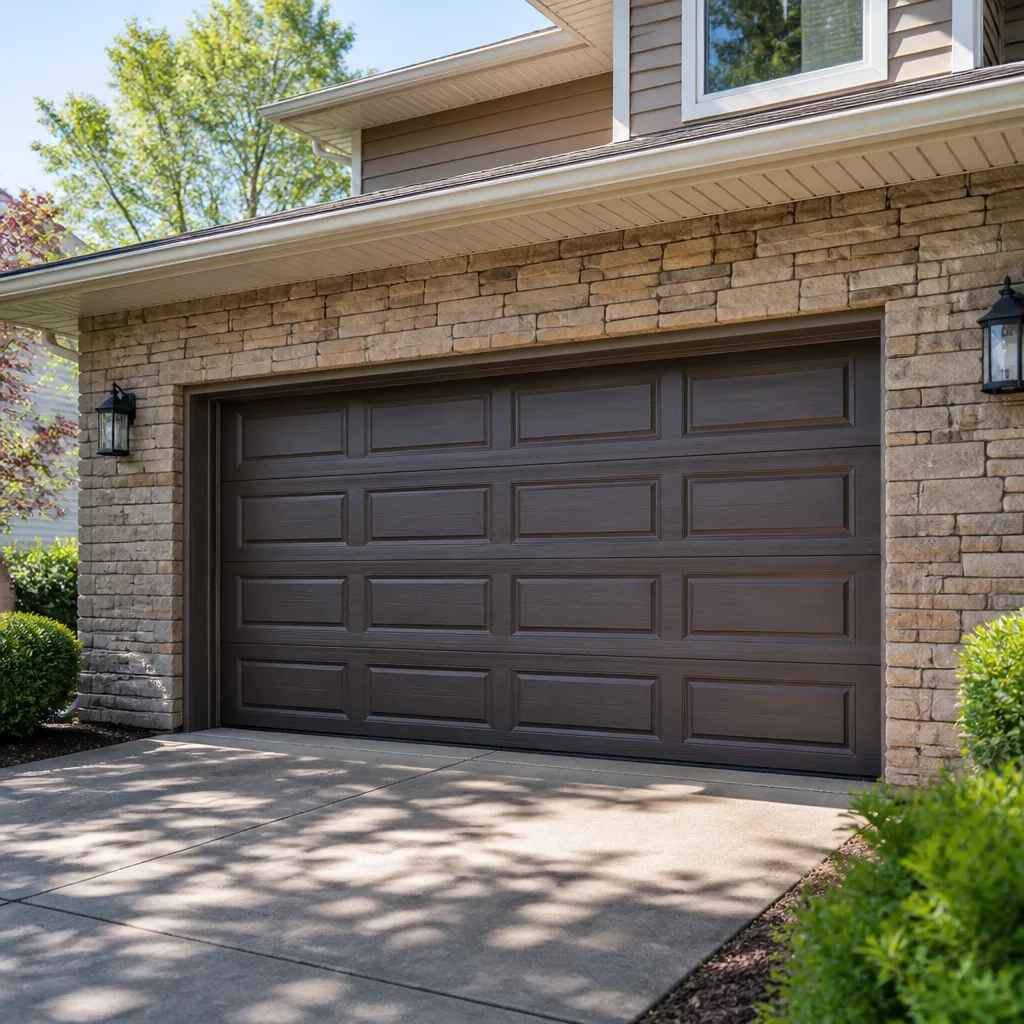 Raised-panel steel
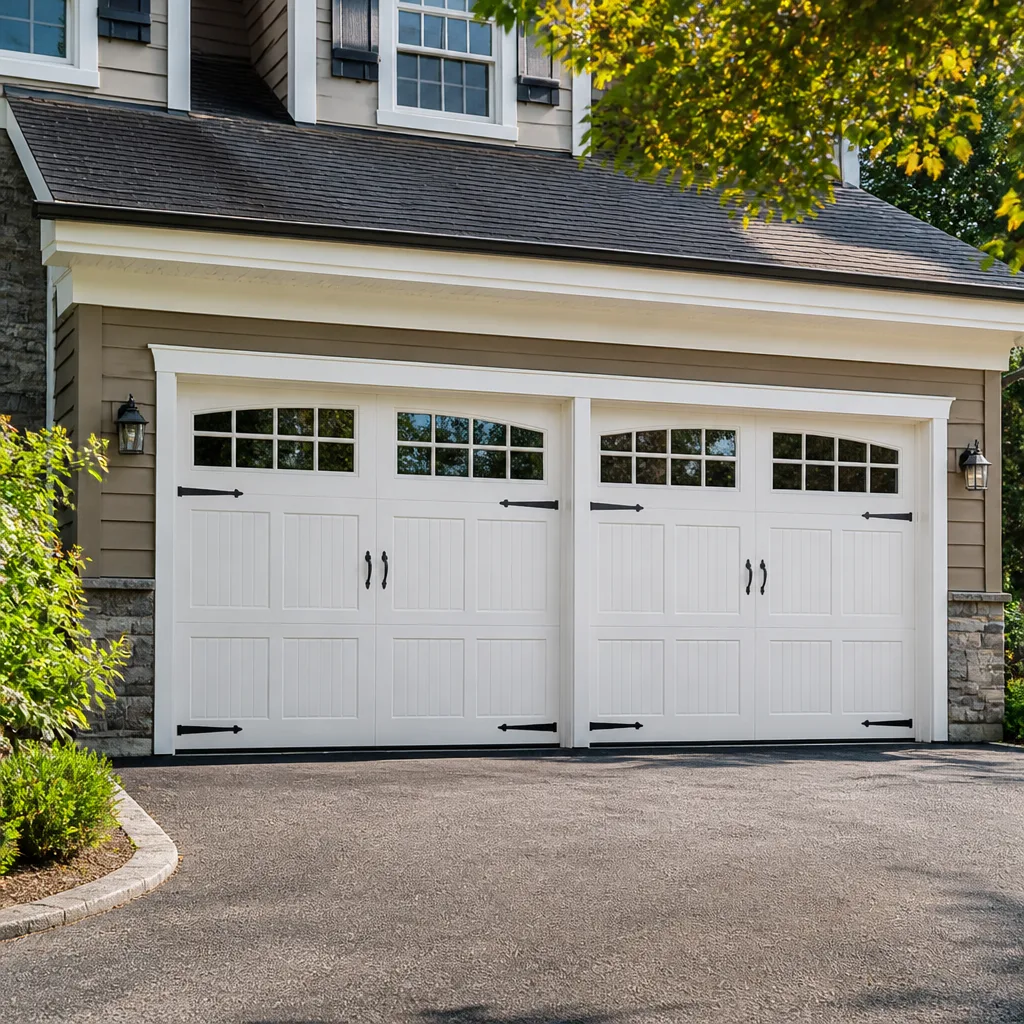 Carriage house
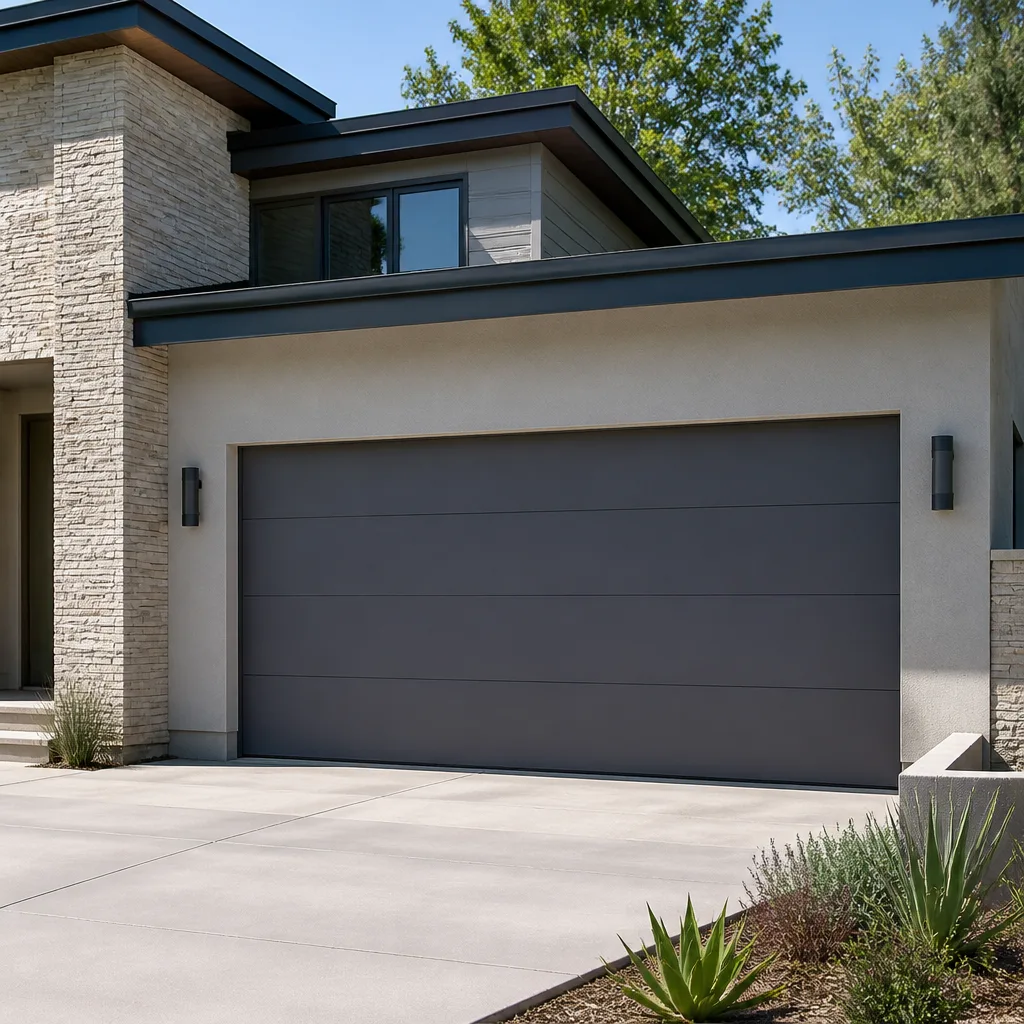 Modern flush
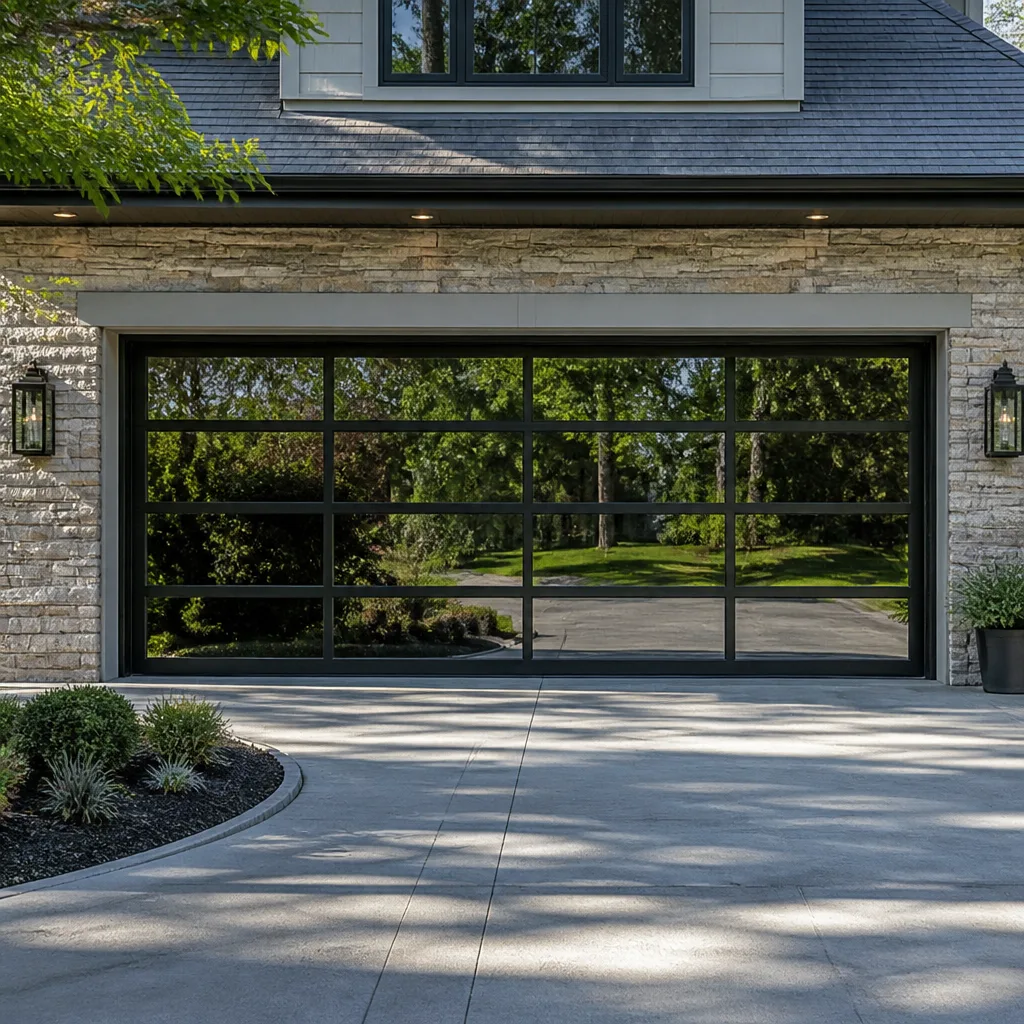 Full-view glass
 LiftMaster openers
 Chamberlain openers
Full 25-point door and opener safety check with every visit - springs, cables, rollers, tracks, and your LiftMaster or Chamberlain opener included
You get a price before we start. It does not change when the pro arrives.
Get your free estimateGarage Door Repair Maintenance Checklist for Bensonhurst Homeowners
Most garage door maintenance advice you’ll find online is written for a two-car suburban garage that opens twice a day. A Bensonhurst garage door often cycles ten, fifteen, twenty times a day because street parking pressure turns the garage into the primary parking spot. That changes the math. The spring doesn’t care that it’s still March; it cares how many times it went up and down. In this guide we’ll walk through a cycle-based maintenance checklist calibrated to the older hardware, uneven concrete aprons, and tight single-car openings common in this neighborhood, plus a clear line between what you can safely check and what requires a trained technician.
Quick Answer
Inspect your garage door once a month with a quick visual and balance check, lubricate moving parts every 500 – 1,000 cycles (roughly every 6 – 8 weeks for a heavily used Bensonhurst garage), and have springs, cables, and bottom brackets inspected by a technician once a year. Anything involving tension – springs, cables, bottom brackets – is not a homeowner job, no matter how many videos say otherwise.
Styles & brands we work with
- Raised-panel steel
- Carriage house
- Modern flush
- Full-view glass
- LiftMaster openers
- Chamberlain openers
Table of Contents
- Why Cycle Count Beats the Calendar in Bensonhurst
- The Monthly Check You Can Do Yourself
- Lubrication Points That Matter in Brooklyn’s Air
- Testing the Bottom Seal Against Uneven Aprons
- Spotting Racking on Narrow Single-Car Doors
- Opener and Safety Sensor Checks
- What Only a Technician Should Touch
- A Seasonal Rhythm for Bensonhurst Homes
Why Cycle Count Beats the Calendar in Bensonhurst
A garage door in Bensonhurst cycles more times per day than the national average. That’s the single most important fact on this page, and it’s the reason generic “lubricate twice a year” advice falls short here. Street parking in this neighborhood is contested at the best of times. Residents use the garage as their primary parking spot, which means the door goes up when you leave, down when you get home, up again for a delivery, down after letting the dog out, up for the stroller, down before bed. Ten to fifteen daily cycles is common. A suburban door that opens twice a day and a Bensonhurst door that opens twelve times a day are not on the same maintenance schedule, even if they’re identical doors.
Manufacturers rate torsion springs in cycles, not years. A standard spring is rated for a set number of open-close cycles, and once you’re averaging twelve cycles a day, you burn through that rating far faster than a calendar-based checklist assumes. That’s why we tell homeowners in Bensonhurst to think of maintenance in cycles rather than months.
- Light use (2 – 4 cycles/day): lubricate every 3 – 4 months, full inspection annually
- Moderate use (5 – 8 cycles/day): lubricate every 2 months, full inspection annually
- Heavy use (10+ cycles/day): lubricate every 6 – 8 weeks, professional inspection every 6 months
If you don’t know your daily cycle count, spend one week counting. Note down every time the door opens or closes. Most Bensonhurst homeowners are surprised by the total. If you’re already hearing a squeak, a grind, or a hesitation, that’s a sign your intervals need tightening – and it may be time for a proper look at the whole system. Our Garage Door Repair Bensonhurst page covers the repair side if something has already gone wrong.
The Monthly Check You Can Do Yourself
A monthly check of a garage door takes about ten minutes and requires no tools. It won’t prevent every failure, but it catches the small problems before they become expensive ones. Do this on dry concrete, with the door closed, and with nobody standing under the door.
- Look at the door from inside the garage. Stand back and check that the bottom edge runs parallel to the floor. A door that looks tilted is telling you something.
- Listen on the way up and down. A smooth hum is normal. A rattle, squeal, or scrape is not.
- Test the balance. Disconnect the opener (usually a pull cord), lift the door halfway, and let go. A well-balanced door stays put. A door that slams down or drifts up needs a professional look.
- Check the safety reverse. Place a small board or rolled towel in the door’s path and close it. The door should reverse on contact. If it doesn’t, stop using the door and call for service.
- Look at the rollers and hinges. Are any roller stems visibly worn, cracked, or loose in their brackets? Are hinge leaves bent or shrieking?
- Look at the springs. From a safe distance, check for visible gaps in a torsion spring or stretched, tangled extension springs. Do not touch them.
- Look at the cables. Cables should sit neatly on the drums. Fraying, kinks, or slack cables mean it’s time to stop and call.
That’s the whole inspection. It’s visual and auditory. It doesn’t involve any tools, and it doesn’t put your hands anywhere near the parts that can hurt you.
Lubrication Points That Matter in Brooklyn’s Air
Bensonhurst sits in a humid, four-season climate with long stretches of damp weather and cold winters. That combination is hard on lubricant. Grease that works fine inland tends to thin in summer and stiffen in winter, and the metal parts it’s supposed to protect start to corrode in between. We’ve seen rollers and hinges on Bensonhurst doors that were “lubricated regularly” and still seized up because the wrong product was used.
What works better here is a silicone-based or white lithium lubricant designed for garage door hardware. What works worse is WD-40 as a standalone, cooking spray, or any thick grease that collects grit. Grit plus grease equals grinding paste, which wears rollers faster.
Where to apply it:
- Hinges: one small drop at each pivot point. Don’t spray the whole hinge; aim at the joint.
- Rollers: a drop on the metal stem, not the wheel itself. Nylon rollers don’t need lubrication at all.
- Track: wipe the inside of the track with a slightly damp rag, then apply a thin film of silicone. Never grease the track itself.
- Torsion spring: a light coat on the coils helps reduce friction and slows corrosion. Use a rag, not a spray, and never touch the spring while it’s under tension.
- Opener chain or belt: check your opener’s manual for the approved lubricant. Genie and LiftMaster sometimes spec differently, and using the wrong product on a chain can damage the drive gear.
In Brooklyn’s damp stretches, we recommend shortening the lubrication interval by roughly a third versus whatever the manufacturer printed. If your manual says “every 90 days,” aim for every 60.
Testing the Bottom Seal Against Uneven Aprons
Older Bensonhurst driveways and garage aprons were poured decades ago, and many have settled or heaved unevenly. That matters because the bottom seal has to make contact with the concrete across its full width, and a settled apron means the seal is only touching in some places. Gaps at the bottom let in water, cold air, mice, and insects. They also concentrate wear on the parts of the seal that do contact the floor, so the seal fails faster.
To test:
- Lower the door fully.
- Stand inside the garage with the lights off and look for daylight under the seal. Any visible light is a gap.
- Run your hand along the seal (from inside) to feel for compression. It should feel snug everywhere.
- Slide a piece of paper under the door at multiple points. If it pulls out easily, that’s a gap.
If the seal is intact but not contacting the floor, the door’s travel limits may need adjusting – doable but worth having a technician check so you don’t over-correct and drive the door into the header. If the seal itself is cracked, flattened, or torn, it needs replacing. This is a homeowner-doable job on most doors, provided you can reach the retainer and the door is fully down. What you don’t want to do is force a seal adjustment so the door “seals better” when the real issue is a warped bottom section or a bent bottom bracket – those are technician territory. For a full walkthrough on the repair side, see our garage door repair page.
Spotting Racking on Narrow Single-Car Doors
Racking is when the door goes up and down at a slight angle because one side moves faster than the other. On narrow single-car doors – which are common in Bensonhurst’s tighter driveways – racking happens faster and does more damage, because the door has less width to absorb the imbalance. A wider door can run out of true for months before it visibly fails. A narrow door binds almost immediately.
What to look for:
- Uneven roller wear: the rollers on one side look visibly more worn than the other.
- Hinge pattern: hinge leaves on one side bend, crack, or pop out of their screws sooner than the other side.
- Door edges: the gap between the door edge and the vertical track is different on the left vs. the right, top vs. bottom.
- Cable slack: one cable looks taut while the other has visible slack.
- Sound: a door that scrapes on one side as it rises.
Racking in Bensonhurst is often caused by one worn roller or a slightly bent track that has been there for a while. Left alone, it wears the panels, distorts the hinges, and eventually cracks the bottom section. The fix is usually small – replace a couple of rollers, realign the track – but it has to be caught early. Racking that has progressed to visibly crooked panels or a door that won’t stay in the track is not a homeowner fix.
If your door is a Clopay or Wayne Dalton single-car model, panel warping from long-term racking can be harder to reverse than on heavier steel doors. That’s not a reason to skip the fix – it’s a reason to catch it sooner.
Opener and Safety Sensor Checks
The opener is a separate system from the door, and it needs its own checks. We treat opener health as its own specialty because a door that runs fine can still be held hostage by a failing opener, and vice versa.
Monthly checks:
- Safety sensors: the two small eyes at the bottom of the vertical tracks should have a solid light on each. If one is flashing, the beam is broken or misaligned. Wipe the lenses first.
- Force setting: with the door disconnected from the opener and a scrap piece of wood in its path, the door should reverse on contact. If it doesn’t, reduce the force setting on the opener head.
- Remote and keypad: test every remote. If one works and another doesn’t, you have a pairing issue, not a door issue.
- Battery backup: if your opener has a battery backup, check the status light. If your opener doesn’t have one, it’s worth considering – the grid in this part of Brooklyn does go down in storms.
Opener-specific faults get tricky fast because the codes differ by brand. A Genie error code means something different than an Amarr or LiftMaster code, and technicians who don’t work with a brand regularly waste time looking things up. Our garage door opener repair page has more on brand-specific diagnosis. If the opener is dead, the door can still be opened manually after pulling the release cord – do that instead of forcing the door.
What Only a Technician Should Touch
Three components of a garage door are genuinely dangerous to work on. Not “dangerous if you’re careless” – dangerous in the way that a wound torsion spring can release stored energy in less time than it takes to flinch. We mention this because the internet is full of videos that make these jobs look achievable. They aren’t. A trained technician knows the tension, the tools, and the safe disassembly order.
The three components:
- Torsion and extension springs: they hold the weight of the door. Adjusting them is not a screwdriver job.
- Cables: they’re under constant tension and can snap. They should never be handled by a homeowner.
- Bottom brackets: they anchor the cable and the spring tension at the bottom corners of the door. They are under load even when the door appears at rest.
Spring replacement is one of the most mechanically dangerous jobs in residential construction, and it’s the job we take the most seriously. Our technicians treat every spring replacement as a full setup job – correct winding bars, correct matched spring pair, correct balance test after. Our technicians have up to 12 years of experience, and every one of them has seen the aftermath of a DIY spring job. That’s not a scare tactic. It’s the reason we don’t recommend shortcuts.
Beyond springs, cables, and bottom brackets, there’s a broader category of “call a pro” situations: a door that has jumped its track, a door with visibly bent panels, a door whose opener has failed electrically, and any door where the balance test fails or the sound has changed dramatically.
A Seasonal Rhythm for Bensonhurst Homes
If you want a simple framework instead of tracking individual cycles, think in seasons. Bensonhurst’s winters are cold and wet, summers are humid, and the shoulder months are when the hardware transitions between the two. Here’s the rhythm that works for most homes here:
- Spring (March – April): full inspection, lubricate every point, test balance and safety reverse. Winter has been hard on the hardware; catch what it did.
- Early summer (June): lubricate again if your cycle count is heavy. Check the bottom seal for damage from spring rain and winter freeze-thaw.
- Late summer (August – September): check weather stripping and seal, re-lubricate if the door has been used heavily, and test the opener’s force settings.
- Fall (October – November): the most important check of the year. Full inspection before the cold sets in. Cold weather stiffens lubricant and hardens the seal, and a door that was fine in August can struggle in December.
- Winter (December – February): short visual checks only. If the door starts to hesitate in cold weather, don’t force it – that’s a sign the lubricant needs refreshing or the opener is straining.
If you’re considering a full door replacement at some point, our garage door installation page walks through the process, the timing, and what a proper measure-and-schedule job looks like. Replacement isn’t a same-day job – the door is measured, then ordered, then scheduled – so it pays to plan ahead of the season where you’ll actually need it.
Common Mistakes to Avoid
- WD-40 on the track. People think they’re helping. They’re not. Track lubrication should be a thin silicone film, never grease or all-purpose spray, because grease collects grit and turns the track into sandpaper.
- Using a calendar for a high-use door. If your door cycles 10+ times a day, twice-a-year lubrication is not enough. Your neighbors in a suburban driveway can get away with it. You can’t.
- Tightening spring tension without a proper setup. The tension has to be matched, not just “made tighter.” A door that’s overtensioned runs badly, strains the opener, and wears out bearings.
- Ignoring a light gap under the bottom seal. That gap lets in water that freezes on the apron and heaves the concrete further. Seal it.
- Lubricating nylon rollers. They don’t need it, and the lubricant attracts grit that shortens their life. Skip them.
- Testing the balance with the door connected to the opener. You need to pull the release cord first. Testing with the opener engaged tells you nothing.
- Working on the door while someone else is in the garage. If the door comes down unexpectedly, you need the space clear. Always work solo near the door.
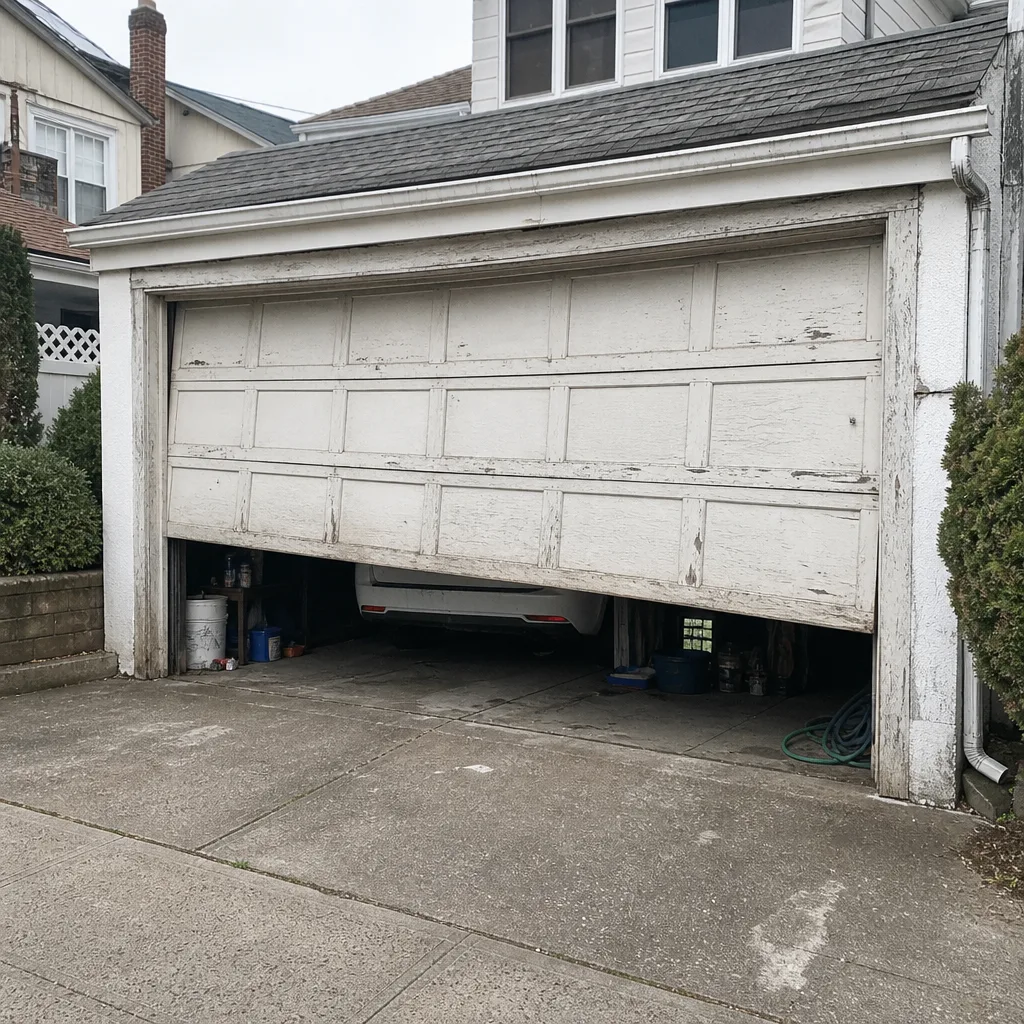
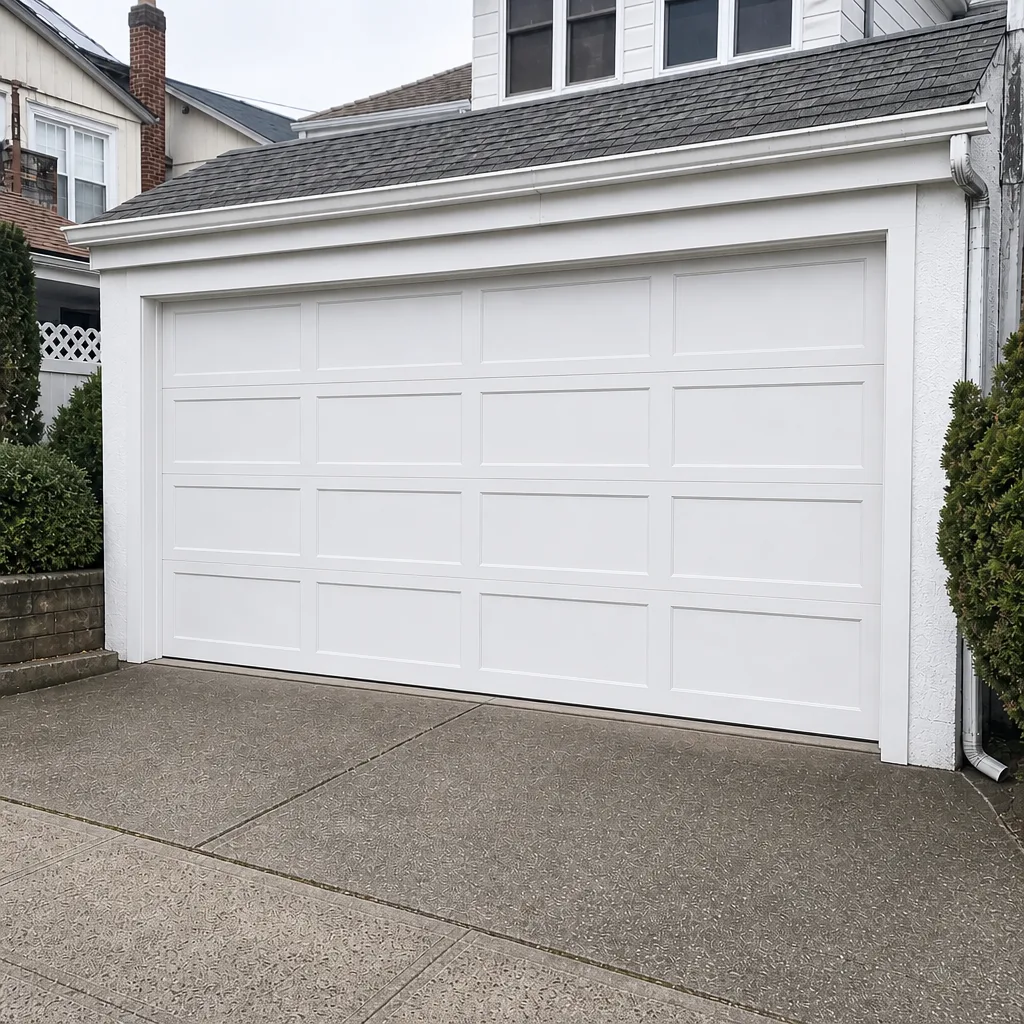
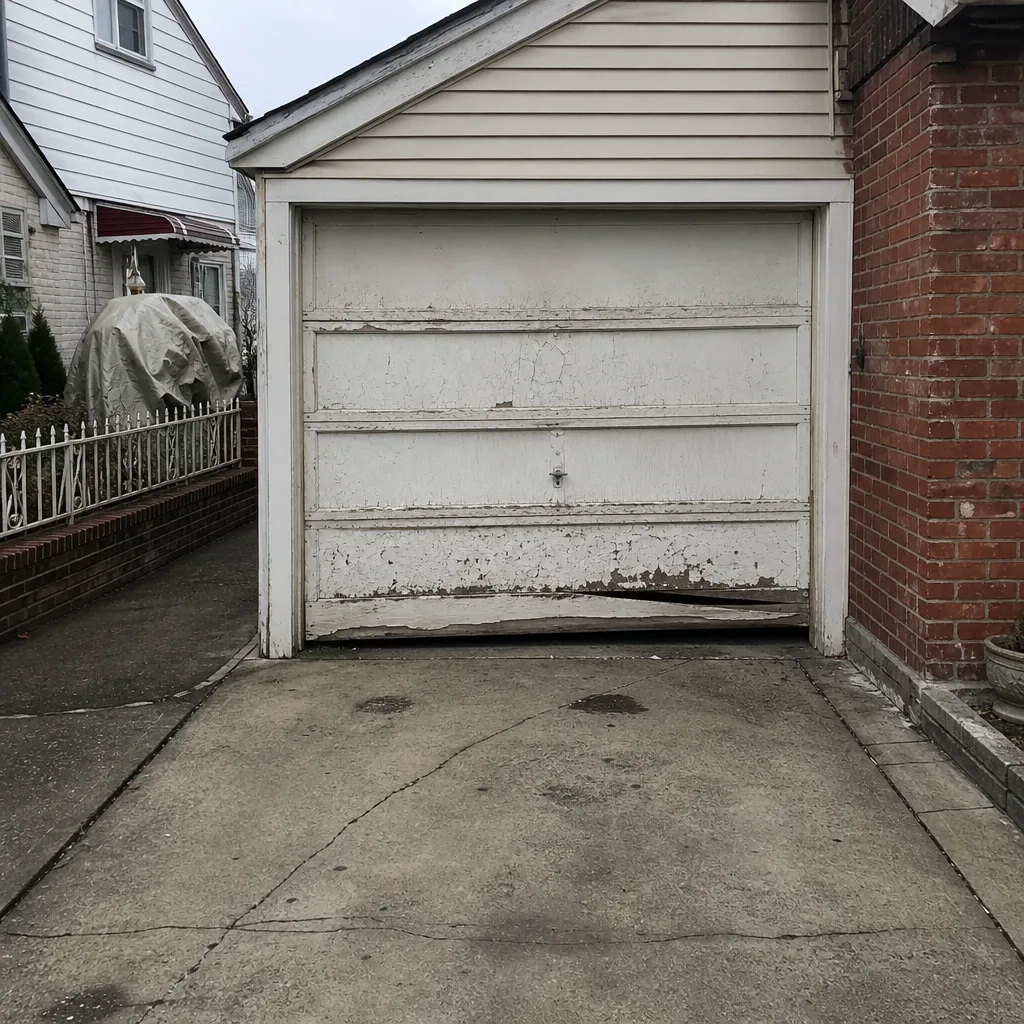
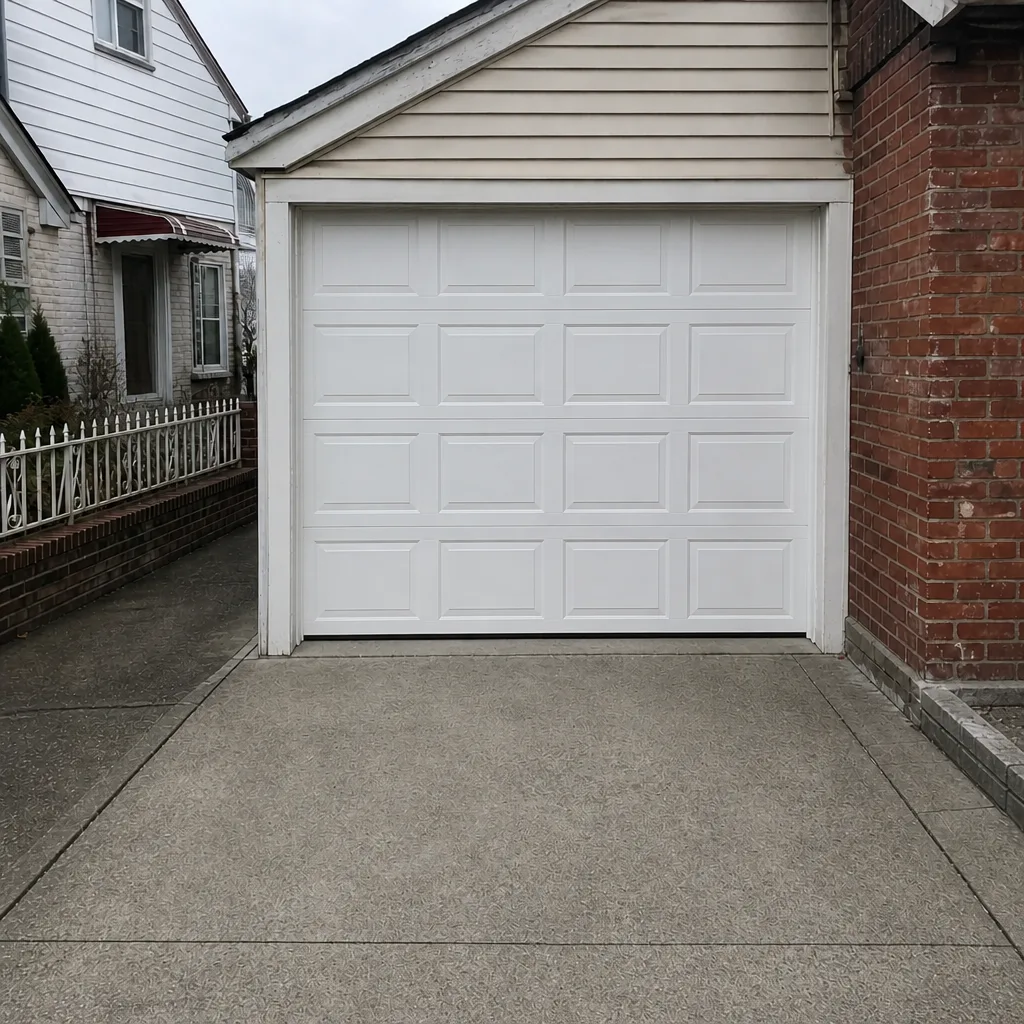
See the difference
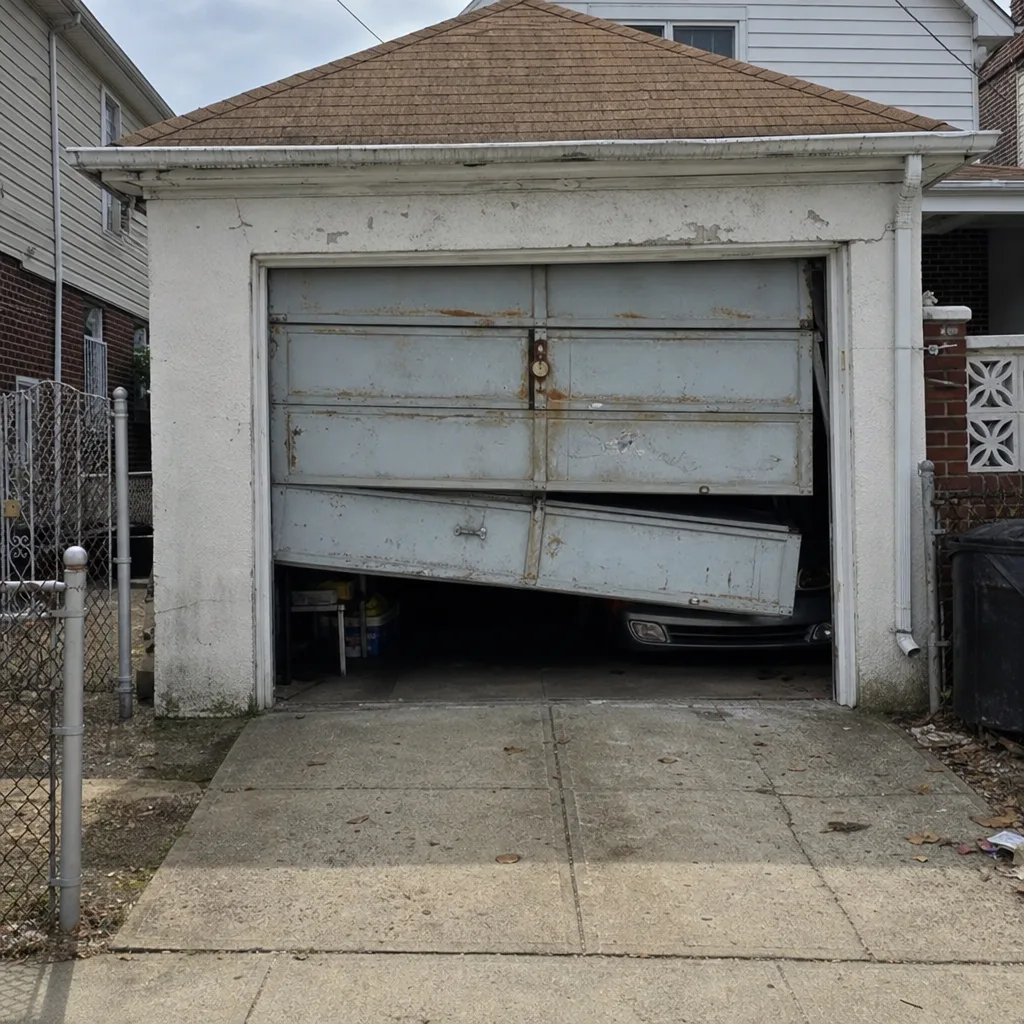 Before
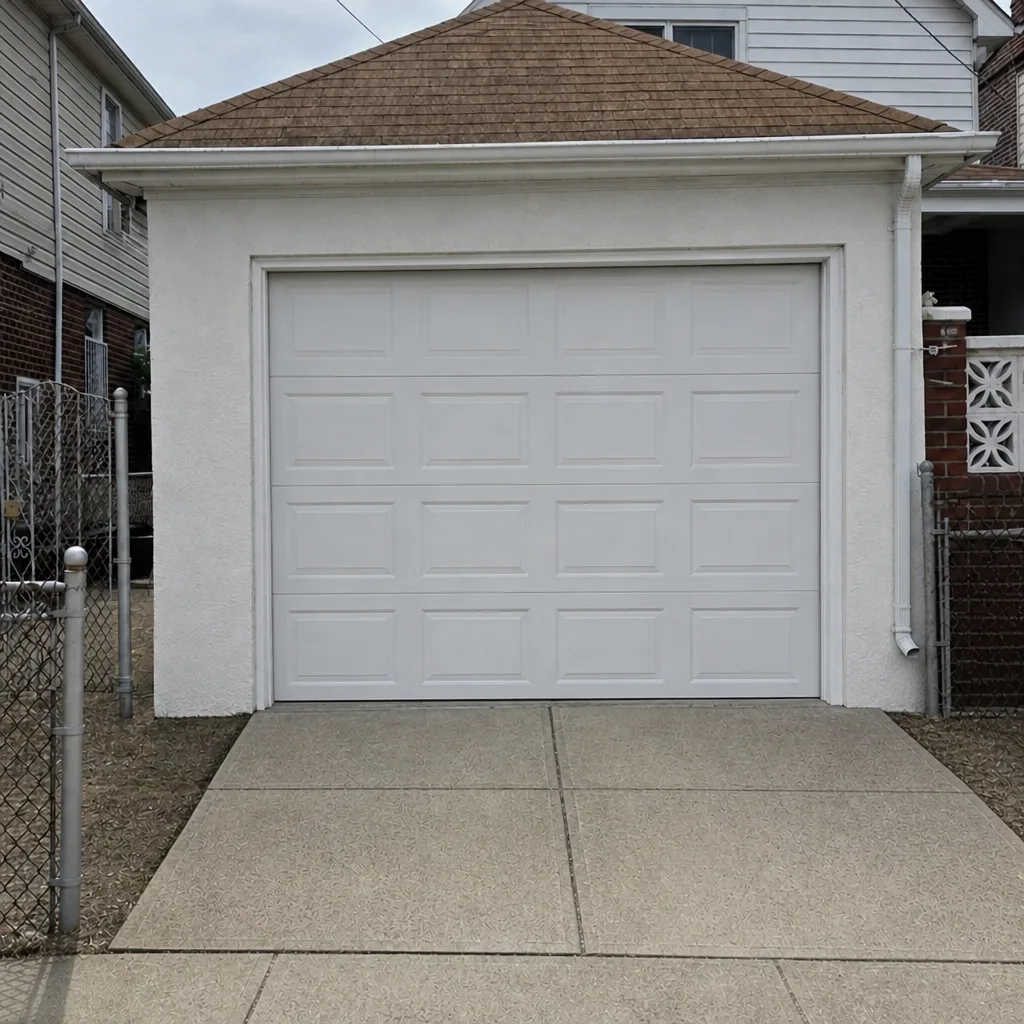 After
 Before
 After
 Before
 After
When to Call a Professional
Call a professional if any of the following is true: the balance test fails, the door sounds different than it used to, one side runs higher than the other, you see a gap in a torsion spring, a cable looks slack or frayed, the bottom seal is torn or the door doesn’t contact it, the opener reverses oddly or won’t reverse, or the door has come off its track. Also call if you simply don’t want to climb a ladder to check the torsion springs – that’s a legitimate reason. Springs, cables, and bottom brackets are not homeowner jobs, and the cost of a technician inspecting them is small compared to a spring failure at the wrong moment. Garage Door Repair Bensonhurst offers free estimates in Bensonhurst – call (833) 508-9946. We diagnose first, then give you options in plain terms, and the price you agree before work starts is the price on the invoice.
Frequently Asked Questions
Every 6 – 8 weeks if your door cycles 10 or more times a day, which is common here. Heavier usage means shorter intervals. Use a silicone-based or white lithium lubricant on the hinges, roller stems, and torsion spring, and a thin silicone film inside the track. If you’re on the moderate-use schedule (5 – 8 cycles a day), every 2 months is fine.
No. Torsion and extension springs hold the full weight of the door and are under constant tension. A spring that releases unexpectedly can cause serious injury. This is one of the reasons we treat spring replacement as a core specialty rather than an add-on – it requires correct tools, matched spring pairs, and a full balance test afterward. Call a technician. It’s not worth the risk.
Worn rollers and hinges from heavy daily use, followed by racking on narrow single-car doors. Both are consequences of the neighborhood’s parking-driven usage pattern. Catching them early with a monthly visual check is the cheapest repair there is.
Pull the release cord to disconnect the opener, lift the door halfway by hand, and let go. A properly balanced door stays where you put it. A door that slams down or drifts up has a spring or cable problem and shouldn’t be used until it’s inspected.
Yes. We work on both systems as separate specialties, so you don’t have to coordinate two companies. We’re brand-fluent across LiftMaster, Chamberlain, Genie, Clopay, Amarr, Wayne Dalton, Craftsman, and Raynor, which means we recognize the error codes and proprietary parts on your specific system instead of guessing.
Check the safety sensors first. A flashing light on either sensor means the beam is blocked or misaligned; wipe the lenses and try again. If it still won’t close, pull the release cord, close the door manually, and stop using the opener until it’s inspected. A door with a safety-reverse failure is a hazard, not just an inconvenience. Call us at (833) 508-9946 for same-day service.
The Bottom Line
Maintenance intervals in Bensonhurst should be based on how many times the door cycles, not how many months have passed. If your garage is your primary parking spot – and in this neighborhood it usually is – you’re on a heavier schedule than any generic checklist assumes. Lubricate every 6 – 8 weeks, check the balance and safety reverse monthly, test the bottom seal against your apron, and watch for racking on narrow doors. Leave springs, cables, and bottom brackets to a trained technician. If you’re not sure where your door stands, that’s the moment to make the call – not after a spring fails.
Garage Door Repair Bensonhurst handles repair, opener repair, installation, emergency service, and spring repair as a specialist garage door company. We diagnose first, quote before work starts, and stand behind the work. Call (833) 508-9946 for a free estimate – same-day and emergency service available when a door failure turns into a security or safety risk.
Written by the team at Garage Door Repair Bensonhurst.