Last updated November 21, 2026
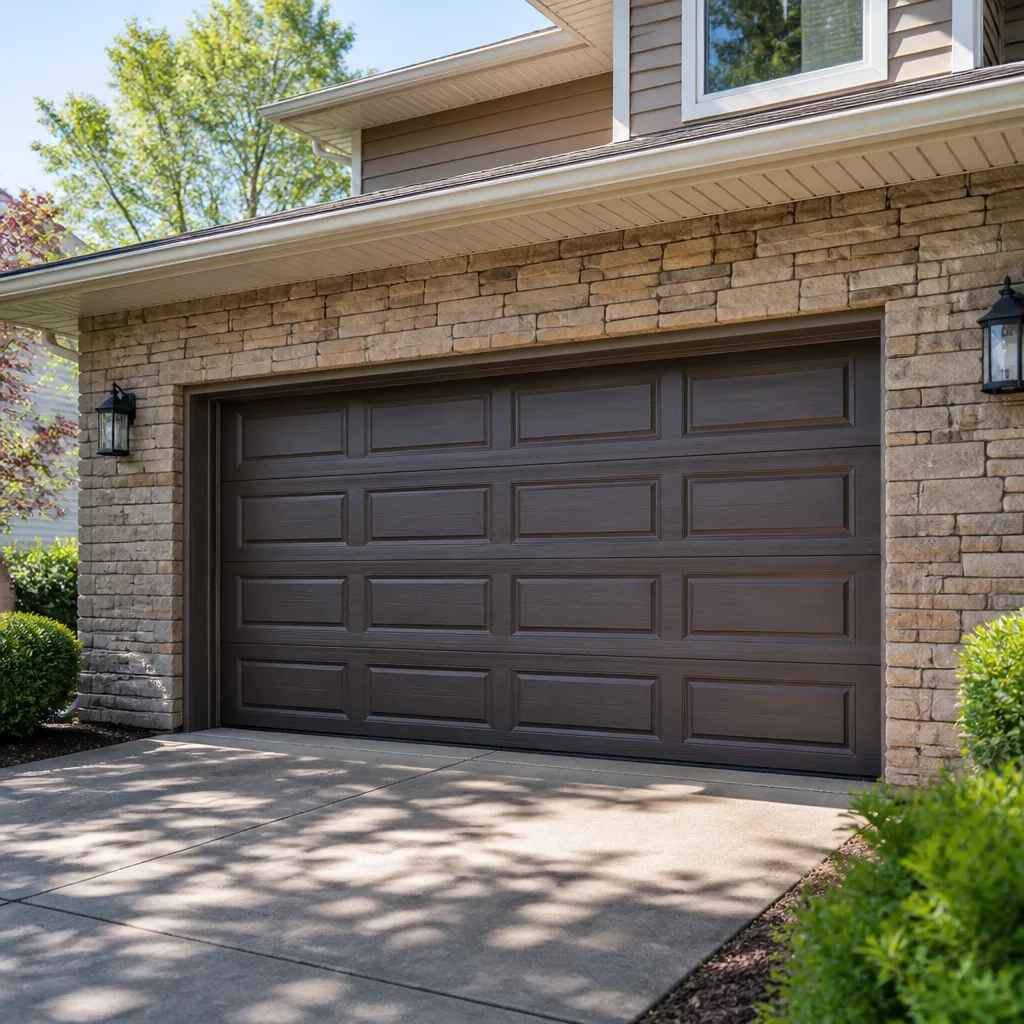 Raised-panel steel
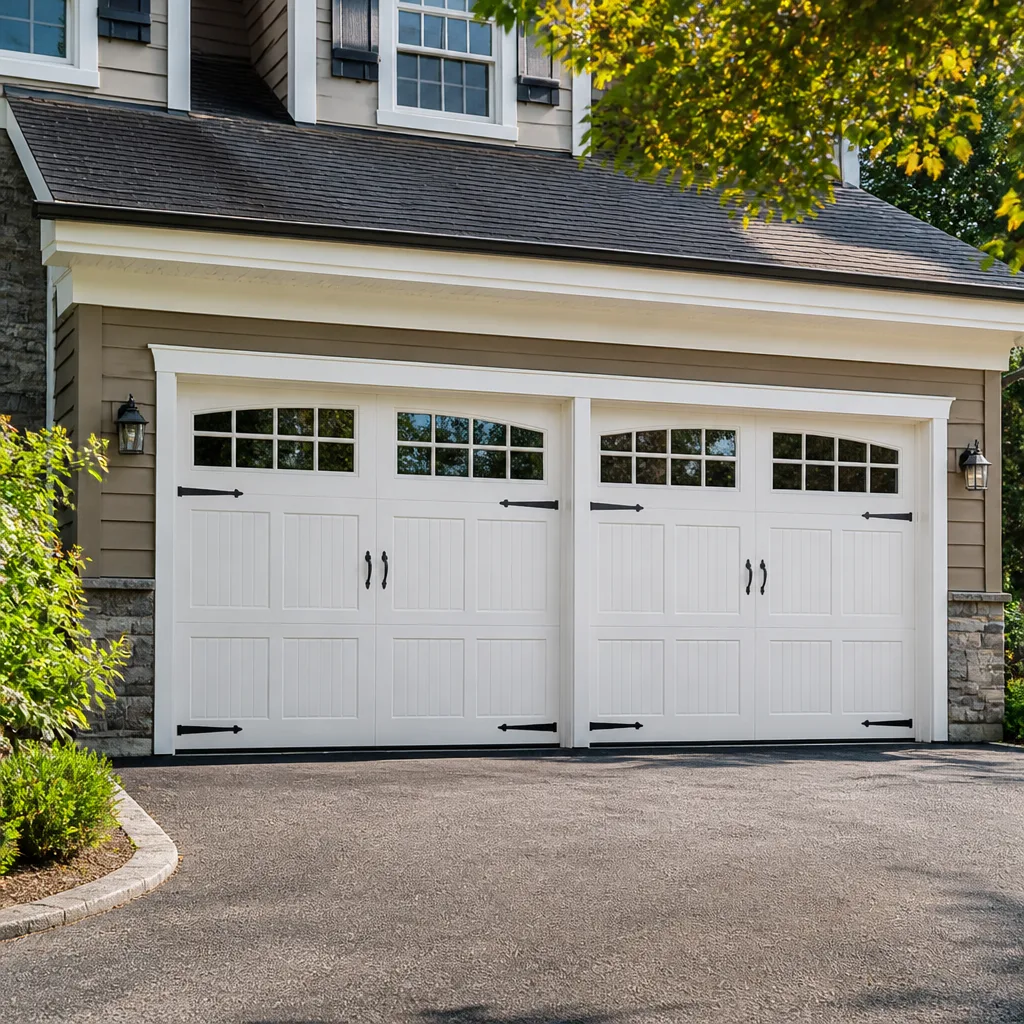 Carriage house
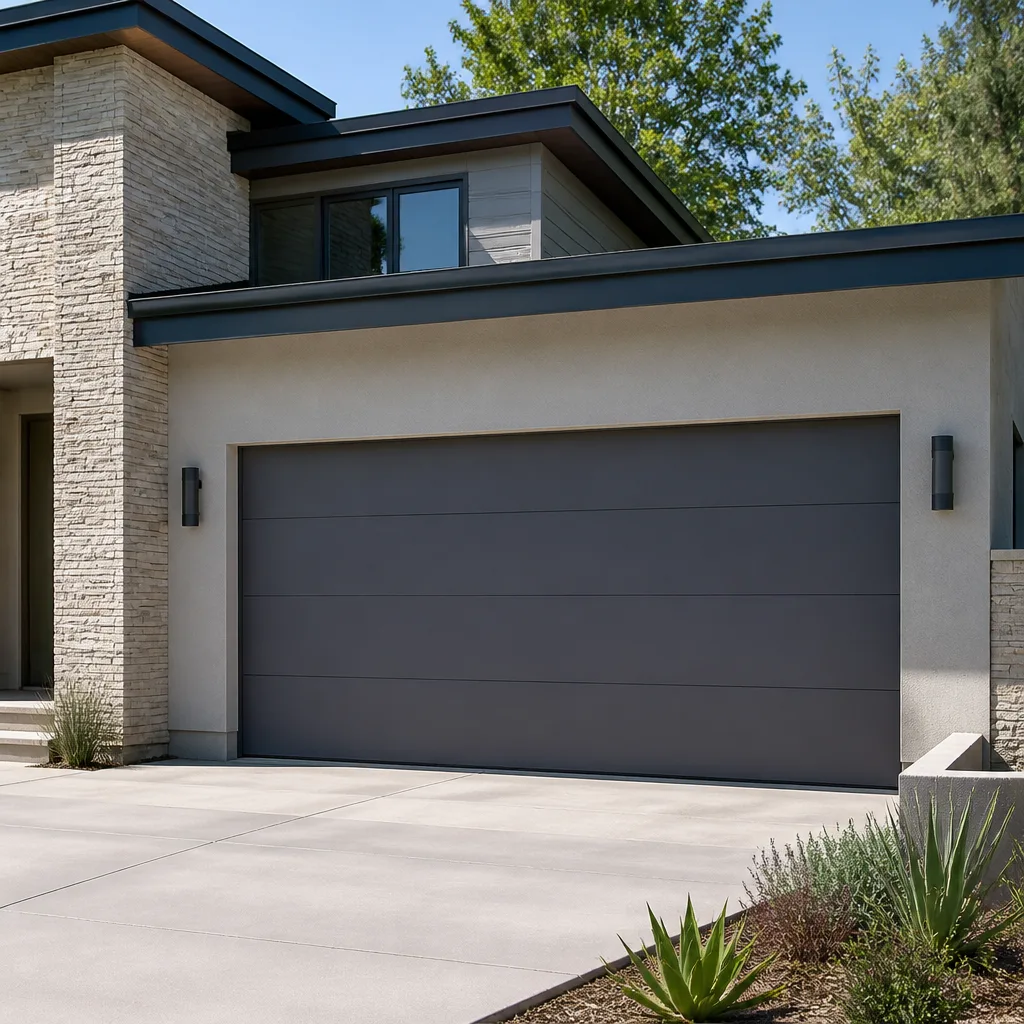 Modern flush
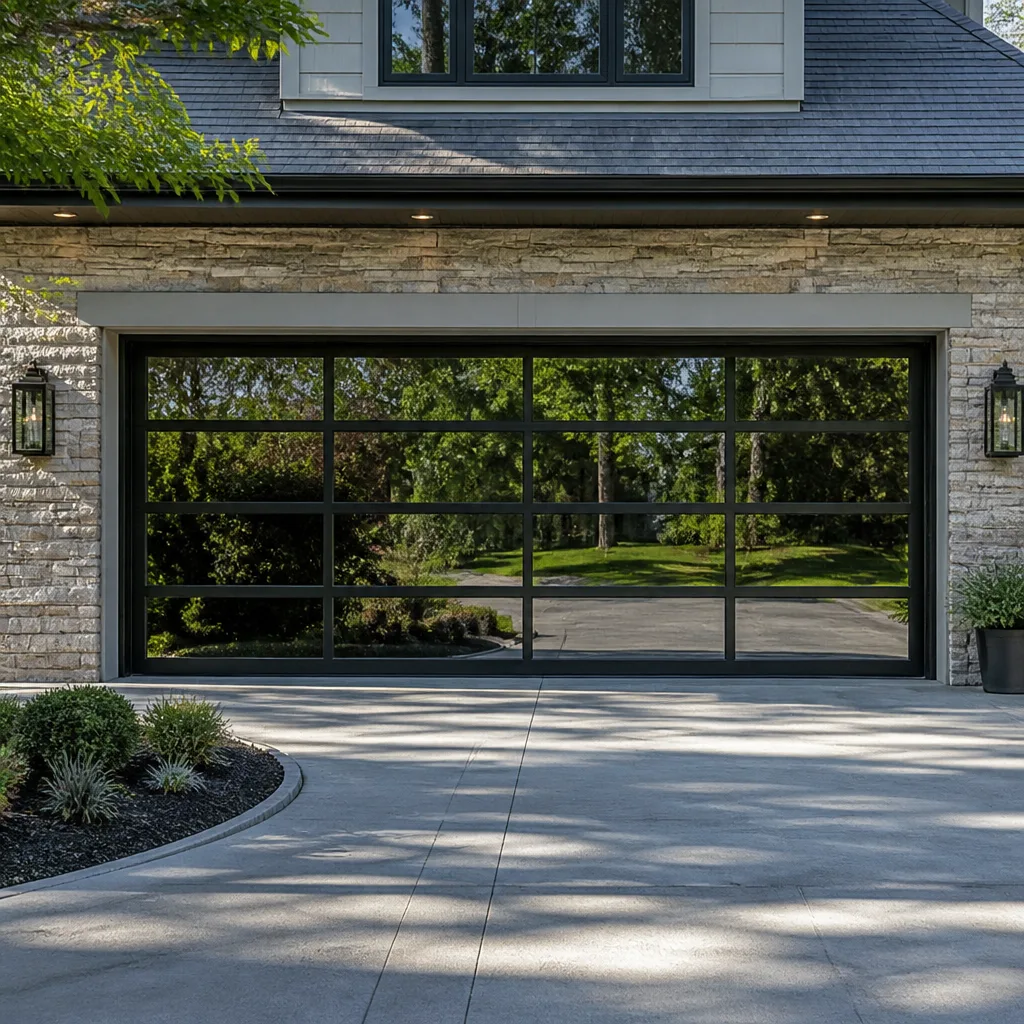 Full-view glass
 LiftMaster openers
 Chamberlain openers
Full 25-point door and opener safety check with every visit - springs, cables, rollers, tracks, and your LiftMaster or Chamberlain opener included
You get a price before we start. It does not change when the pro arrives.
Get your free estimateGarage Door Repair Troubleshooting in Bensonhurst: Common Problems and How to Fix Them
A door that stops halfway down and reverses on its own looks identical to three different problems: a misaligned photo-eye, a limit switch that’s drifted out of position, and a track that’s pinching the rollers. Each one has a different fix and a different price tag. Most homeowners in Bensonhurst guess at which it is, replace the wrong part, and pay twice. That’s the trap this guide is built to get you out of. We’re going to teach you to read your door’s behavior the way a technician does – symptom first, cause second, fix last. By the end you’ll know what your door is telling you, which checks are safe to run yourself, where the real danger starts, and exactly what to say when you call for help.
Quick Answer
Most garage door problems fall into three buckets: the opener (remote, sensor, or logic board), the door hardware (springs, cables, rollers, tracks), or a misalignment between the two. You can safely identify which bucket you’re in by pulling the manual release cord, testing the door by hand, and watching how it behaves. Any noise, binding, or resistance that happens with the opener disconnected is a door problem, not an opener problem – and springs and cables should never be touched by a homeowner.
Styles & brands we work with
- Raised-panel steel
- Carriage house
- Modern flush
- Full-view glass
- LiftMaster openers
- Chamberlain openers
Table of Contents
- The Behavior-Based Diagnosis Tree: Read the Symptom First
- Why Bensonhurst Garages Produce Their Own Set of Problems
- How to Tell If It’s the Opener or the Door
- Fixes You Can Safely Do Yourself – and Where the Line Is
- Springs and Cables: Why These Are Never a Homeowner Job
- Why Brand Matters: Reading Your Opener Correctly
- What to Tell the Technician When You Call
- Common Mistakes to Avoid
The Behavior-Based Diagnosis Tree: Read the Symptom First
Every garage door failure announces itself through behavior. The mistake is reaching for the opener manual or jumping on a search for the part before you’ve watched what the door actually does. Here’s how we approach it: symptom in, probable cause out, fix last. Run through this tree before you call anyone.
- Door won’t move at all, opener hums or clicks. Likely a stripped opener gear, a dead capacitor, or a binding that’s stalled the motor. Not a door hardware issue – this is usually an opener problem.
- Door goes up fine but stops partway down and reverses. Almost always the photo-eye safety sensor, a limit switch that’s drifted, or a track pinch. Most common cause: something in front of the eye, or the eye bracket knocked out of alignment.
- Door stops mid-travel in both directions. Limit switch settings in the opener, or a torsion spring that’s lost tension. If the door feels heavy when you lift it by hand (opener disconnected), it’s the spring.
- Remote doesn’t work but the wall button does. Not the opener. That’s a remote, receiver, or battery problem – usually the cheapest fix on this list.
- Door grinds or squeals on one side only. A track has gone out of plumb, a roller has worn or popped, or a hinge is bent. Left alone, this abrades the door panel edge and the roller simultaneously.
- Door closes all the way but reopens immediately. Sensor, or a binding that trips the opener’s force-safety reversal. Test by hand to find out which.
- Loud bang from the torsion bar, door won’t lift at all. Broken spring. Stop. Do not attempt to lift it. See the springs section below.
In our experience across Bensonhurst, the single most misdiagnosed symptom is number two. A door that stops and reverses on the way down gets called a sensor problem roughly nine times out of ten – but a track pinch and a limit-switch drift present exactly the same way. They cost very different amounts to fix. Getting the diagnosis right on the first call is what separates a $150 visit from a $400 one, and it’s why we lead with behavior every time.
Why Bensonhurst Garages Produce Their Own Set of Problems
Garages in Bensonhurst are not the wide, tall, side-entry garages you see in newer suburbs. Most are attached to older homes, and many sit on lots where the garage was shoehorned in behind the house or accessed from an alley. That architecture shapes the failure pattern.
Headroom problems. Many Bensonhurst garages were framed with tight ceiling clearance over the door. That’s fine for a standard sectional door – until a homeowner adds a ceiling-mounted storage rack, an overhead light, or a newer opener with a taller profile. Suddenly the door’s top section strikes the obstruction and the opener trips its force-safety reversal. If your door suddenly reverses at the top of its travel after a garage modification, headroom is the first thing to check.
Track alignment from settling. Older attached garages in Bensonhurst sit on foundations that have had decades to settle. When the garage floor or wall shifts even slightly, the vertical track goes out of plumb. A track that’s a few degrees off-center will drag a roller on one side, produce that characteristic one-sided grinding, and eventually chew through the roller. This is a frequent call for us in the neighborhood precisely because it’s a slow problem – it starts as a slight noise and worsens over months.
Alley-access setbacks. Garages accessed from an alley often have a short, uneven approach. The door’s bottom seal has to clear a rough concrete threshold that shifts with freeze and thaw and with tree roots. A door that drags its bottom weatherstrip on the concrete is fine for a while, then it isn’t.
Framing and jamb conditions. On some older Bensonhurst properties, the garage door jamb was never square or never stayed square. A door that fits when new can develop gaps at the bottom corners as the framing ages. Gaps are a security issue, not just a draft issue, and they’re one of the reasons we see homeowners call for repair when the underlying cause is really structural.
None of this is unusual for Brooklyn. The point is that if your door is grinding, dragging, or reversing at specific points in its travel, geography and building age matter more than the brand on the opener. A proper technician checks the geometry of the opening before pulling the motor apart.
If you need someone to look at both the door and the opener together – which is what a Bensonhurst garage frequently needs – that’s the garage door repair Bensonhurst work our technicians do every day.
How to Tell If It’s the Opener or the Door
This is the single most useful test a homeowner can run, and almost nobody runs it before calling. You can isolate an opener problem from a door problem in about two minutes using only the manual release cord on your opener rail. The results change everything about the diagnosis, and they prevent the upselling that happens when a technician arrives to a customer who can’t answer “does it feel heavy by hand?”
Here’s the test. It’s safe to do with the door down and the opener unplugged or switched off at the wall:
- Stand clear of the door and pull the manual release cord hanging from the opener carriage. You’ll hear a click when the carriage disconnects from the door.
- With the opener still disengaged, lift the door about halfway by hand. A correctly balanced door should lift with one hand easily and stay where you let go. If it feels heavy, grinds, or drops the moment you release it, the problem is the door hardware or the springs – not the opener.
- Lower the door gently to the closed position. Re-engage the carriage by pulling the release cord again (or running the opener briefly to re-catch the carriage).
- With the door reconnected, press the wall button. If the door now behaves normally, the original failure was likely a one-time obstruction or a receiver glitch. If it misbehaves again, that narrows the diagnosis to the opener.
The results tell you what to do next:
- Door lifts easily by hand, but opener won’t move it. The problem is in the opener – motor, capacitor, logic board, or safety sensor. Opener repair territory.
- Door feels heavy or binds by hand, opener struggles or reverses. The problem is in the door – springs, cables, rollers, or tracks. Door repair territory.
- Both seem fine by hand, door runs but reverses randomly. Sensor or limit switch. Usually a small fix once identified.
For Bensonhurst homes where both components are suspect – and after a hard winter that isn’t rare – having one technician look at the door and the opener together saves you from coordinating two separate visits and two separate diagnosis fees. That’s exactly why we train our technicians on both systems rather than specializing in just one side. When the opener itself is the culprit, garage door opener repair covers the motor, receiver, and logic board side of the job.
Fixes You Can Safely Do Yourself – and Where the Line Is
There’s a clean line between what a homeowner can safely fix on a garage door and what they shouldn’t touch. The line isn’t arbitrary. It’s drawn by the amount of stored energy involved. A photo-eye or a remote battery has almost none. A torsion spring has enough to injure you badly in a fraction of a second. Everything on the safe side of the line is worth knowing; everything on the other side is worth respecting.
Safe to do yourself:
- Wipe down the photo-eye lenses. A dirty lens on either sensor reads as an obstruction and trips the reversal. Damp cloth, both sides, done.
- Check that the photo-eye alignment is straight. The two eyes should face each other squarely across the opening. If a bracket got knocked, a small nudge or re-tighten of the bracket wings gets it back.
- Change the remote battery. The number one cause of “the remote stopped working.”
- Re-pair a remote to the opener. Follow the opener’s manual – the pairing sequence varies by brand but is a homeowner-level job on every opener we work on.
- Re-engage the manual release. If the door got disconnected accidentally, pulling the cord again re-engages the carriage. This is the most common “the door suddenly won’t respond” call, and it’s genuinely a two-second fix.
- Clear obstructions from the door’s path. Bags of soil, garden tools, and the recycling bin all trip a sensor.
- Test the safety reverse by hand. With the door closing, wave a foot in the eye’s path – the door should reverse. Or place a piece of wood on the ground under the door – it should reverse on contact. Both checks are safe and worth doing once a month.
Not safe to do yourself. Do not attempt any of these:
- Adjusting, replacing, or removing a torsion spring. Stored energy at rest is hundreds of pounds of force.
- Cutting, re-crimping, or loosening a lifting cable. Same category of danger. A failing cable can snap under load.
- Repositioning cable drums. The drums are wound with the cable and releasing one without the proper technique unwinds the door’s lift in a bad way.
- Replacing rollers while the door is under spring tension without the door secured and the springs unloaded.
- Working on a door that won’t open if you don’t know why. If you don’t know whether the spring is intact, treat the door as if it isn’t.
In Bensonhurst we field calls every week where a homeowner tried to adjust a torsion spring or tighten a cable after watching a video. That’s a difficult call to receive. The springs and cables hold the entire weight of the door in tension. When they fail, they can fail violently, and we’re asking you to please let a trained technician handle them.
Springs and Cables: Why These Are Never a Homeowner Job
A torsion spring is a tightly wound coil of steel that counterbalances the door’s weight. When the door is closed, the spring is at maximum tension. When it’s open, the spring is relaxed. Replacing one means releasing all of that stored force in a controlled way, loading a new spring to the correct tension for your specific door’s weight, and re-testing the balance of the whole system. It’s the single most dangerous routine task in the trade, which is why we treat spring repair as a core specialty rather than an add-on. Our technicians have up to 12 years of experience, and spring work is still the job that demands the most care.
How to recognize a spring problem before you call:
- A loud bang from the garage, followed by a door that won’t lift. Classic broken torsion spring.
- A visible gap in the coil on one of the torsion springs above the door. Two torsion springs is standard; when one breaks, the door often lifts unevenly and puts all the load on the surviving spring.
- Extension springs (running along the horizontal tracks) that are stretched out, hanging loose, or have lost their safety cables.
- Door feels heavy by hand at every point in the travel. A healthy door balances; a door with a weakened or broken spring doesn’t.
Two important points about spring pricing, because pricing is where most of the confusion happens. A quoted price for a spring replacement is typically for one spring. A matched pair almost always gets replaced together – because a second spring older than the first will fail soon after, and the labor is essentially the same. So a pair costs about twice the single-spring figure. Any reputable quote will tell you up front whether you’re getting one or both.
When you get an estimate on a spring job in Bensonhurst, ask specifically:
- Is this for one spring or both?
- Is the spring matched to my door’s weight, or a generic replacement?
- Are the cables and drums inspected as part of the job, or is that a separate charge?
- Is the door balance tested and adjusted after the spring goes in?
The answers matter more than the price. A quote that names the single-spring price and quietly excludes the second spring is not a cheaper quote – it’s a quote that will cost you twice as much by next spring. For the full repair scope beyond springs, see garage door repair.
Why Brand Matters: Reading Your Opener Correctly
The opener on your Bensonhurst garage is almost certainly one of a handful of brands, and each has its own diagnostic logic. An apparent “sensor problem” on a LiftMaster or Chamberlain isn’t diagnosed the same way as a Genie or Raynor. Error codes, LED blink patterns, limit switch positions, and force-sensitivity settings all vary by brand – and misreading the opener’s diagnostics is a common reason homeowners replace a part they didn’t need to replace.
Here’s what we mean by brand-specific diagnosis. On a LiftMaster or Chamberlain unit, the diagnostic LEDs on the back of the motor head flash in a pattern that maps to specific faults – sensor misalignment, wiring fault, force reversal. On a Genie, the wall console LED or the motor’s own indicator behaves differently. Older Craftsmans use a completely different scheme. If you’re trying to troubleshoot from a YouTube video, and the video is on a different brand, the codes won’t line up.
We work on the eight most widely installed residential door and opener brands in North America: LiftMaster, Chamberlain, Genie, Clopay, Amarr, Wayne Dalton, Craftsman, and Raynor. When we arrive at a Bensonhurst garage with a Chamberlain opener and a Clopay door, we’re not reading the manual from scratch. We’re reading the code the same way the manufacturer designed it to be read. That’s not a marketing point – it’s why diagnosis is faster and why the parts come out correct the first time.
A few brand-specific notes that come up often:
- LiftMaster and Chamberlain share a lot of internal architecture, so a fix that works on one usually translates to the other. Their safety sensors and force settings are the most commonly misdiagnosed.
- Genie models vary more across generations – the wall console on an older model behaves differently from a newer one. Know the model before assuming the same fix applies.
- Raynor openers pair with Raynor doors in ways that sometimes need the door and opener checked together, since they were designed as a system.
- Craftsman is the most common older opener we see in Bensonhurst – frequently from the era when Craftsman was widely installed. If you have a Craftsman and a “no remote response” issue, check the receiver first.
What to Tell the Technician When You Call
The best way to keep your garage door repair honest and the price tight is to give the technician accurate information on the phone. Vagueness (“my door doesn’t work”) triggers a blind diagnostic visit, and a blind visit means more time on the clock. Precision on the call means a smaller bill and often a faster fix. Here’s the checklist we ask Bensonhurst callers to walk through before dialing.
- What exactly does the door do? “Doesn’t move,” “reverses at the bottom,” “grinds on the right side,” “bang and now it won’t lift.” One sentence.
- Does the opener respond? Wall button, remote, or both. Note which one fails.
- Does the opener hum, click, or stay silent? Each one narrows the cause.
- Have you tried the manual release? And if so, does the door feel heavy by hand?
- What brand and model of opener? Look for the label on the back or side of the motor head.
- What brand and size of door? If you know it, it helps the technician load the right parts – a Clopay door on an older spring setup isn’t a guess.
- Any recent garage modifications? New ceiling storage, a new light, painting, or anything else the door could be hitting.
- Any strange noises before the failure? Grinding, squealing, or the door sounding heavier than usual.
That list takes two minutes to answer and saves diagnosis time on the visit. It also makes it much harder for anyone to sell you a fix you don’t need, because the symptom pattern is already on record. A good technician will diagnose from the pattern before quoting. The quote should be agreed before any work starts, and the written estimate is the price.
If your door fails and you need someone on the same day, that’s the emergency garage door service we run out of Bensonhurst – fast response matters when a door is stuck open at night or a security concern. And when your current door is beyond repair and a new door makes more sense, our garage door installation service covers the full measure-and-install job.
Common Mistakes to Avoid
- Replacing the opener when the problem is the door. A door that binds or grinds after years will make any new opener work harder and fail early. Fix the door first. Almost every “my new opener doesn’t last” complaint traces back to a worn door.
- Adjusting the torsion spring by feel. Springs are loaded to a specific tension for your door’s weight. Tightening or loosening an existing spring by ear is how a door becomes unbalanced and how a technician gets hurt. If you don’t have the tension spec and the winding tools, don’t touch it.
- Assuming the photo-eye is always at fault. A door reversing at the bottom is diagnosed as a sensor problem almost reflexively. In a Bensonhurst garage with settled floors, a track pinch is far more likely than you’d think, and nobody ever looks for it.
- Ignoring one-sided grinding. Left alone, a worn roller abrades the door panel edge. What starts as a $90 roller replacement becomes a much bigger job when the panel starts getting chewed.
- Greasing a spring tracking its way off the winding bar. Torsion springs require specific lubrication points; greasing the wrong part (the spring’s coils in the wrong place, or the cables) can cause accelerated wear. If you don’t know where the lube points are, skip it and let a technician handle it.
- Cutting or crimping a lifting cable to “re-seat” it. Cables are under load and are secured at both ends. There’s no safe homeowner-level re-seat. This is how people get injured.
- Calling without the model number. It’s the difference between a diagnosis call and a return visit. Note the brand and model of opener before dialing, especially on older Craftsmans and Genies where parts vary by generation.
See the difference
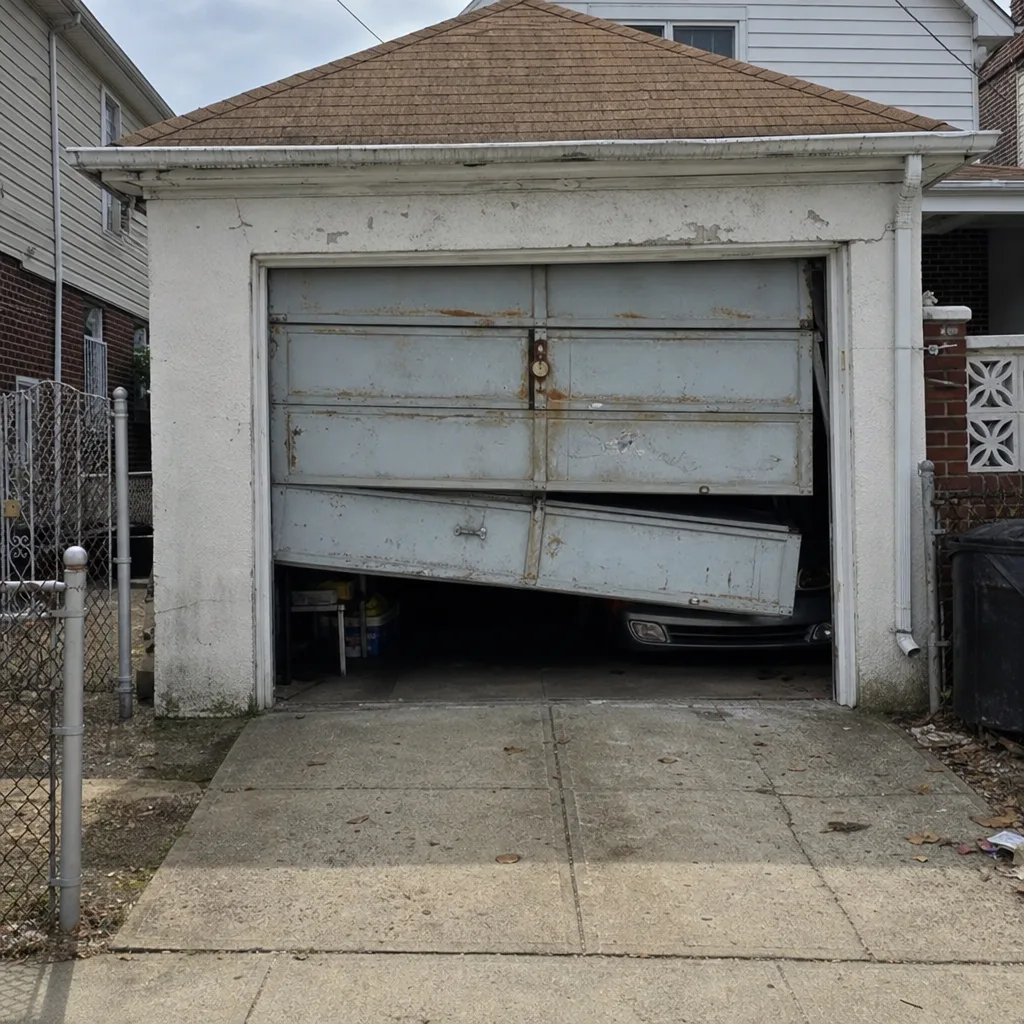 Before
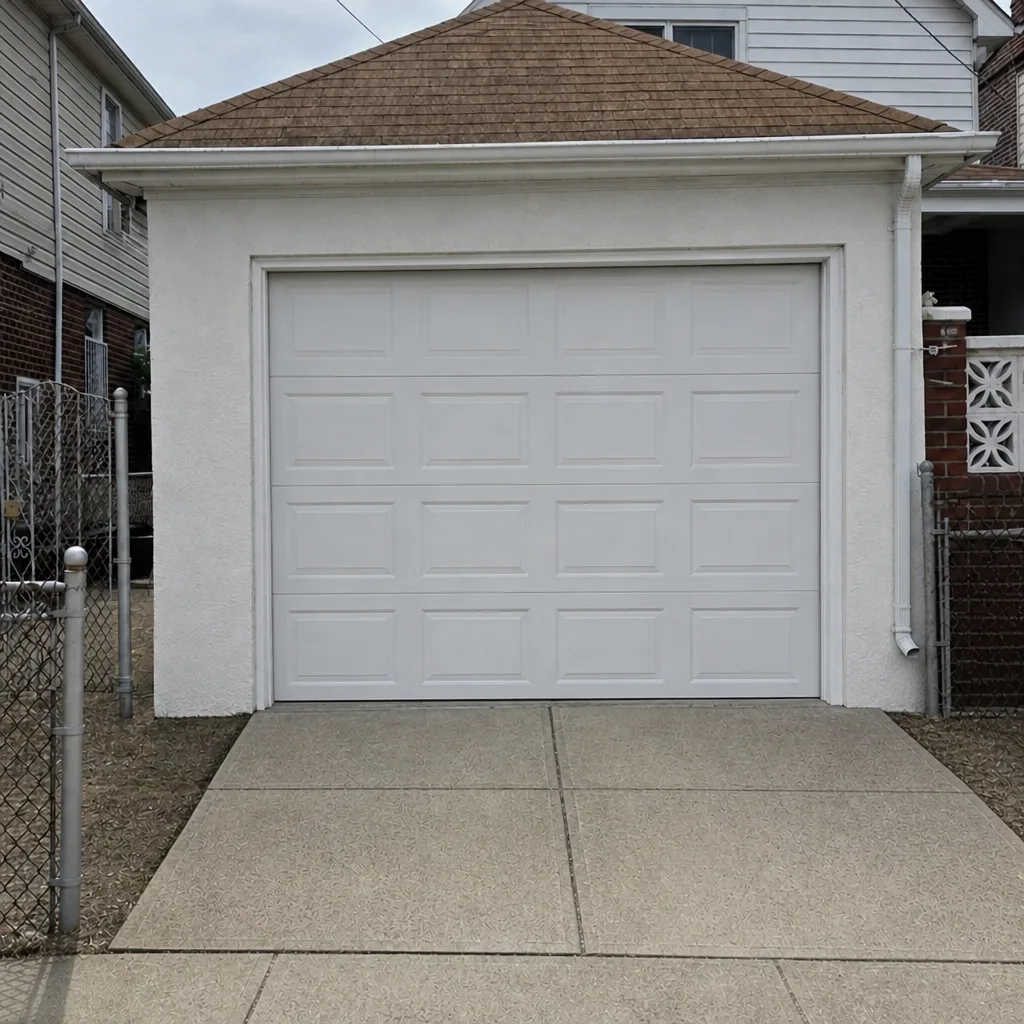 After
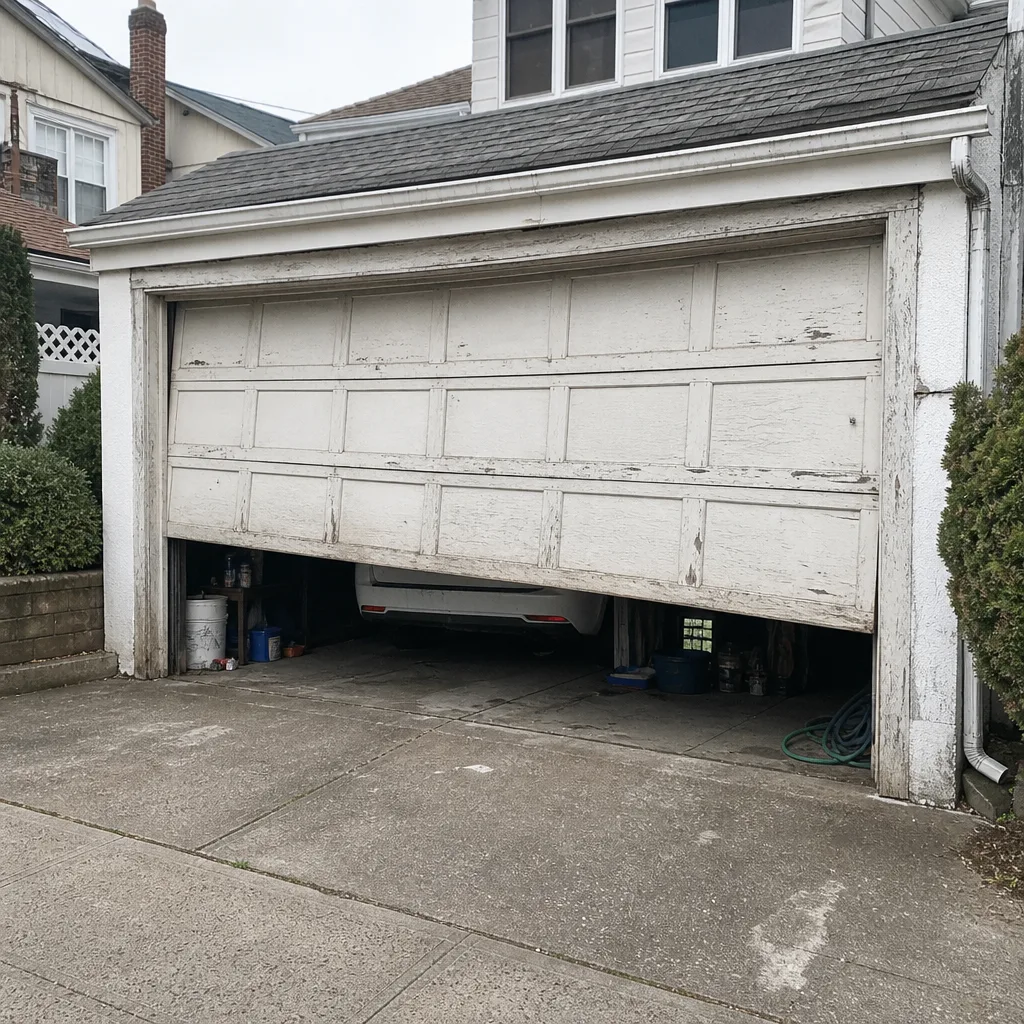 Before
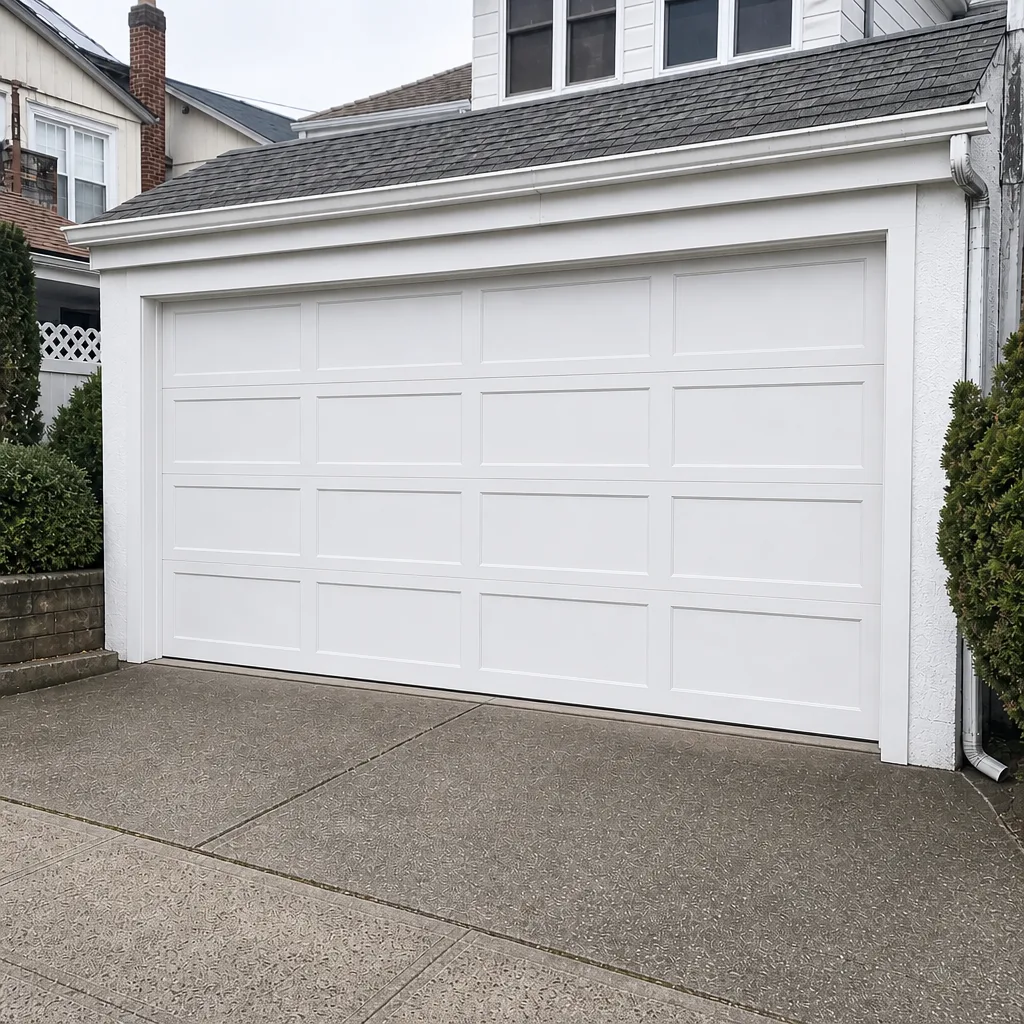 After
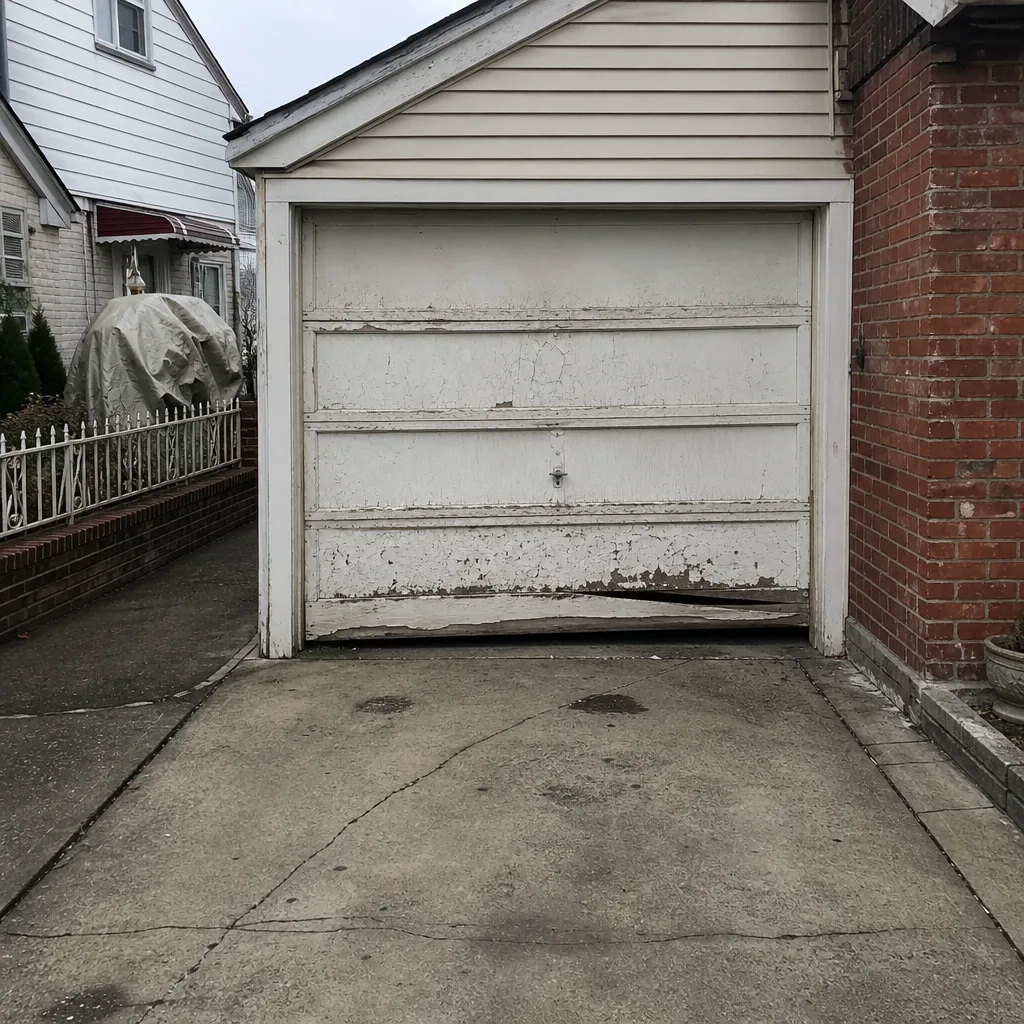 Before
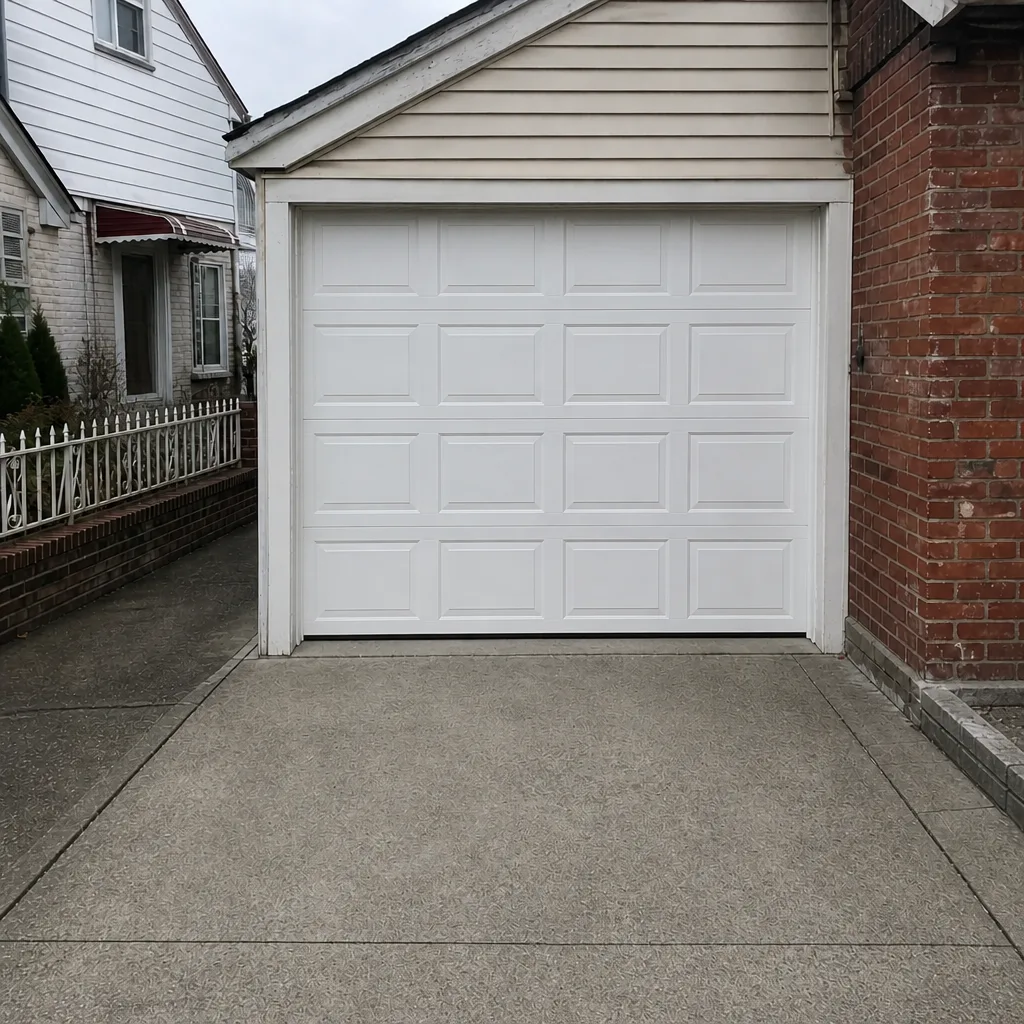 After
When to Call a Professional
Call a professional immediately if you see any of the following: a visible break in the torsion spring coil, a door that won’t lift by hand after the opener is disconnected, a cable that’s come off the drum or looks kinked, a door that drops suddenly on its own, one-sided grinding that’s been going on for weeks, a door that reverses randomly on a clear, unobstructed path, or any door that’s closed on something (or someone) and had to be forced back open. Those are the cases where running an extra test yourself can put you in the path of a failing spring or cable.
For less urgent symptoms – a remote that stopped pairing, a photo-eye that appears misaligned, an opener that hums but doesn’t engage – you can run the manual release test above first. It’ll narrow the call and it’s the most useful five minutes you’ll spend. Either way, Garage Door Repair Bensonhurst offers free estimates in Bensonhurst – call (833) 508-9946 to book a technician.
Frequently Asked Questions
The most common causes are a misaligned or obstructed photo-eye safety sensor, a limit switch in the opener that has drifted, or a track pinch dragging a roller. Test which one it is by waving your foot in front of the eye path while the door closes – if it reverses, the eye is seeing something, and cleaning or aligning the eye usually solves it. If it reverses at the same spot with a clean eye, a technician should check the track and the limit switch. Our technicians have up to 12 years of experience reading these patterns on LiftMaster, Chamberlain, Genie, and Raynor openers; call (833) 508-9946 for an exact diagnosis.
The opener is fine – the problem is the remote, the receiver, or the remote’s pairing. Change the remote battery first, then follow the opener’s manual to re-pair it. If a replacement remote doesn’t solve it either, the receiver board on the opener is the next suspect. This is one of the cheapest fixes on a garage door and rarely requires a visit if the remote and battery do the job. If a re-paired remote still won’t work, call (833) 508-9946 and we’ll narrow down whether it’s the receiver or the board.
No. A torsion spring holds the entire weight of the door in tension and stores enough energy at rest to cause serious injury in a fraction of a second. It requires the correct winding tools, the correct tension for your door’s weight, and a controlled release of stored force. Spring repair is a job for a trained technician – it’s a core specialty here, and we handle it in-house. Call (833) 508-9946 if you suspect a spring is broken; do not attempt to lift the door until a technician has seen it.
Pull the manual release cord and lift the door by hand. If the door balances easily and stays where you leave it, the problem is in the opener. If the door feels heavy, binds, or drops, the problem is in the door – springs, cables, rollers, or tracks. This is the single most useful test you can run, and it’s safe to run with the opener switched off. The result tells the technician exactly which system to inspect first. Call (833) 508-9946 with the result and we can usually predict the visit range over the phone.
Usually yes, but it depends on which part is out of alignment. A track can be re-plumbed and re-anchored. A worn roller can be replaced. A door panel can sometimes be straightened. What can’t be fixed is a garage opening that was never square – and in some older Bensonhurst garages, that’s the underlying condition. A technician checks the geometry of the opening before recommending a repair or a new door. Our garage door repair service assesses both and tells you which one the job actually is. Call (833) 508-9946 for a free estimate.
We’re factory-familiar with the eight most widely installed brands in North America: LiftMaster, Chamberlain, Genie, Clopay, Amarr, Wayne Dalton, Craftsman, and Raynor. That means we read the proprietary error codes, we know which parts fit which generation, and we source the correct replacement rather than a general-purpose substitute. If you have a Craftsman from an older instal or a Genie that’s been giving you trouble, that’s a routine call for us. Call (833) 508-9946 with the model number on the motor head and we can confirm what’s involved.
The Bottom Line
Most garage door repairs are cheaper when the diagnosis is right on the first call. Read the symptom before the part. Test the door by hand with the opener disconnected to know whether the problem is in the opener or the door. Wipe the photo-eye and re-pair the remote before you pick up the phone. Leave the springs, cables, and drums to a trained technician – those are the parts where a DIY guess turns a repair into an injury. If you’re in Bensonhurst and the door needs someone on it, we work on the door and the opener as one job so you’re not coordinating two visits.
Call (833) 508-9946 for a free estimate. Same-day service and emergency response are available, and the price is quoted and agreed before any work starts.
Written by the team at Garage Door Repair Bensonhurst.