Last updated November 21, 2026
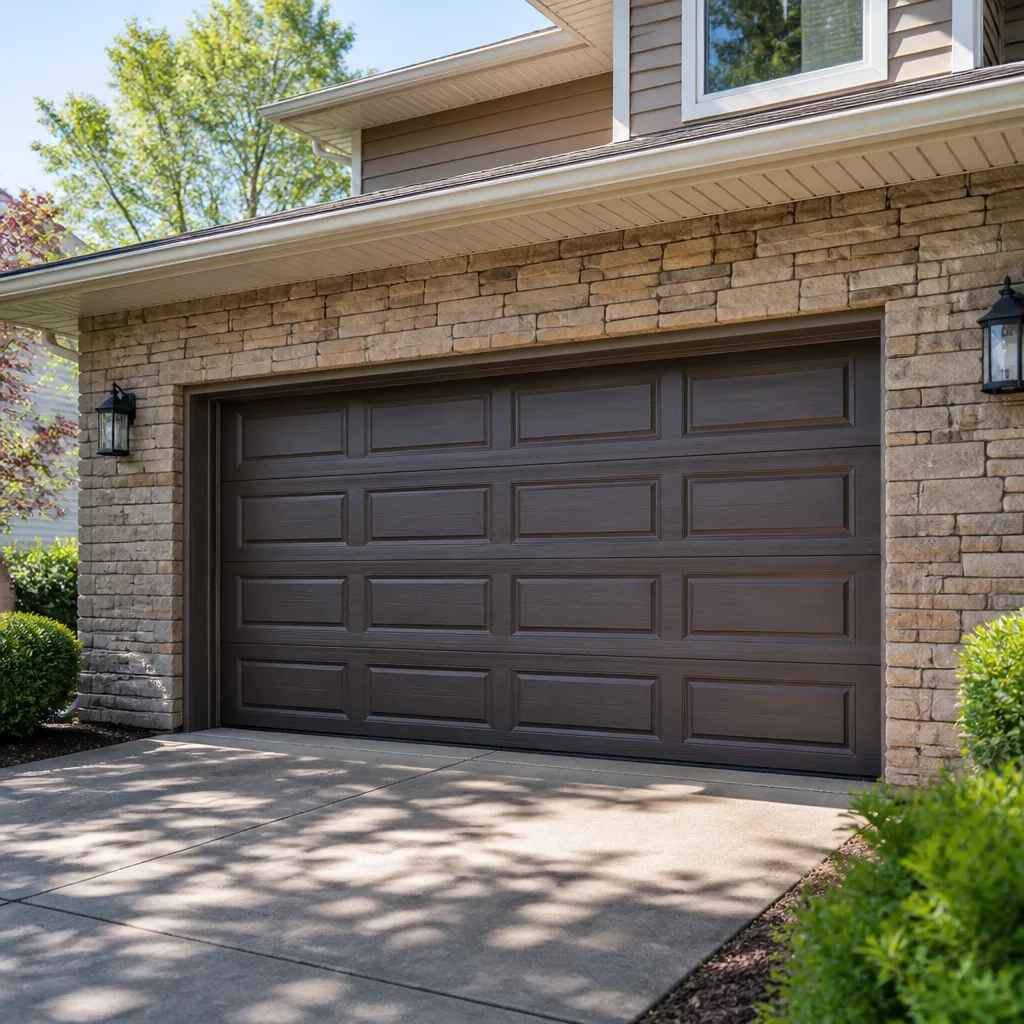 Raised-panel steel
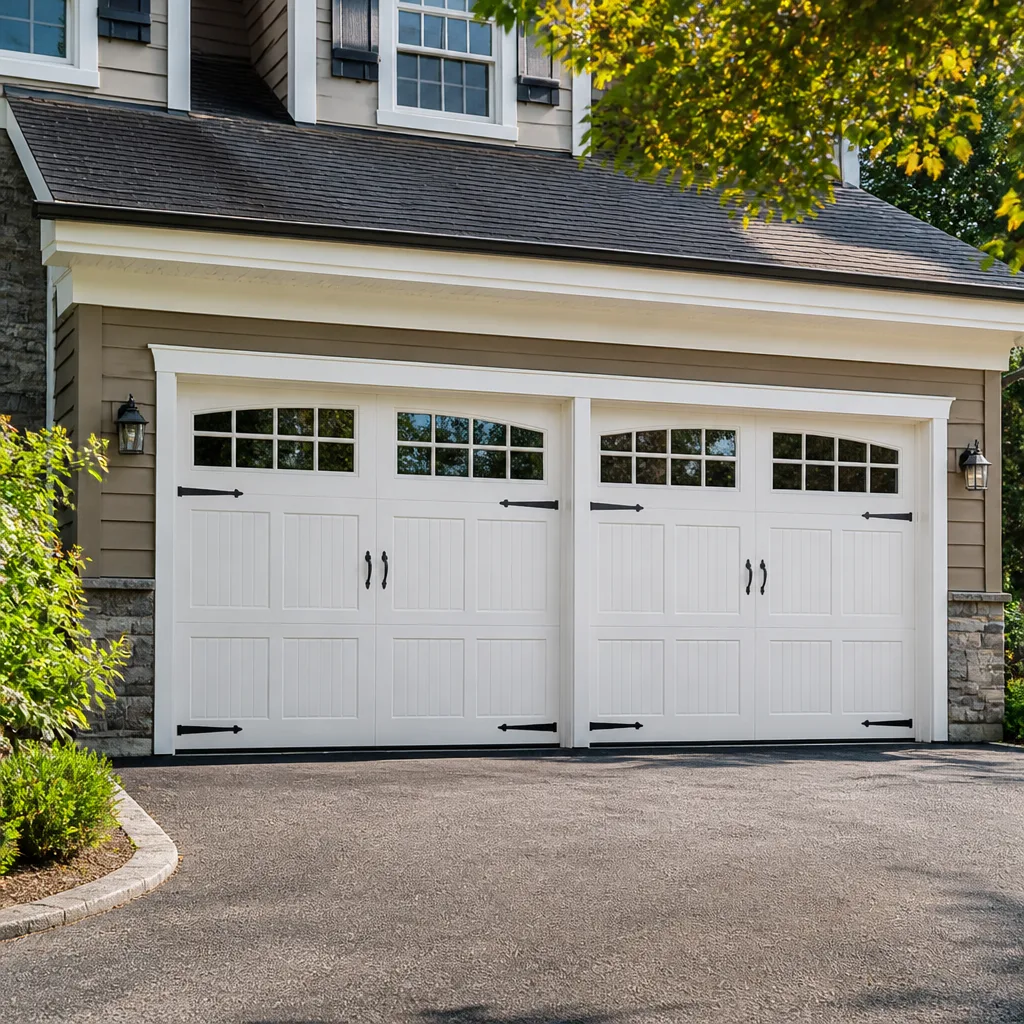 Carriage house
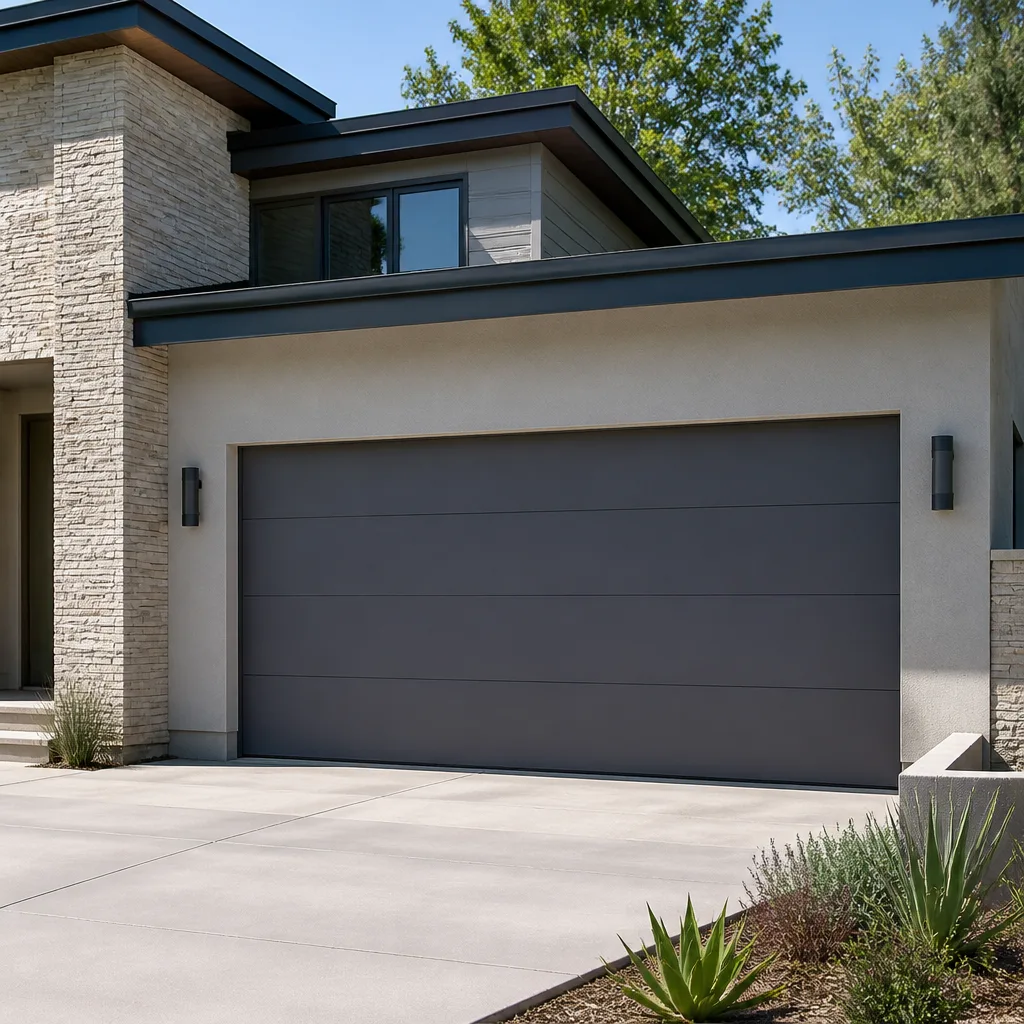 Modern flush
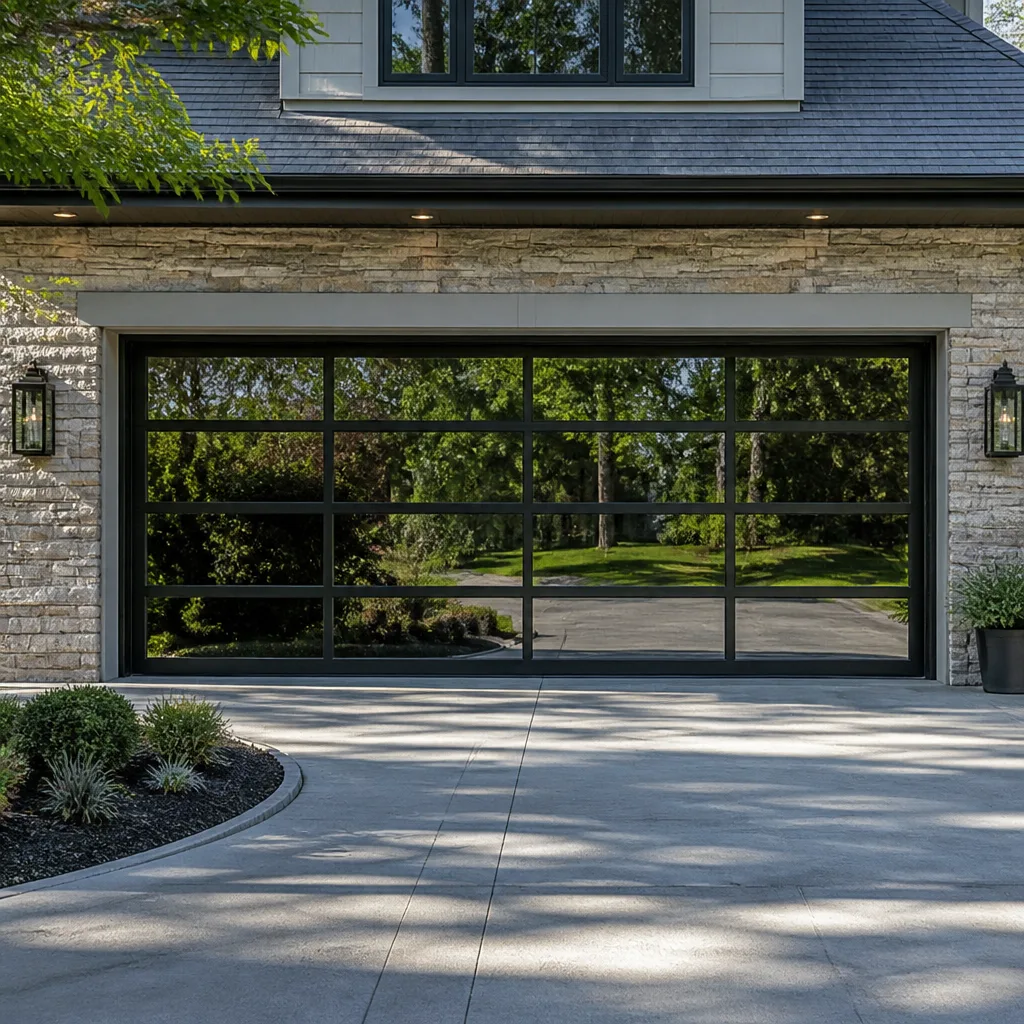 Full-view glass
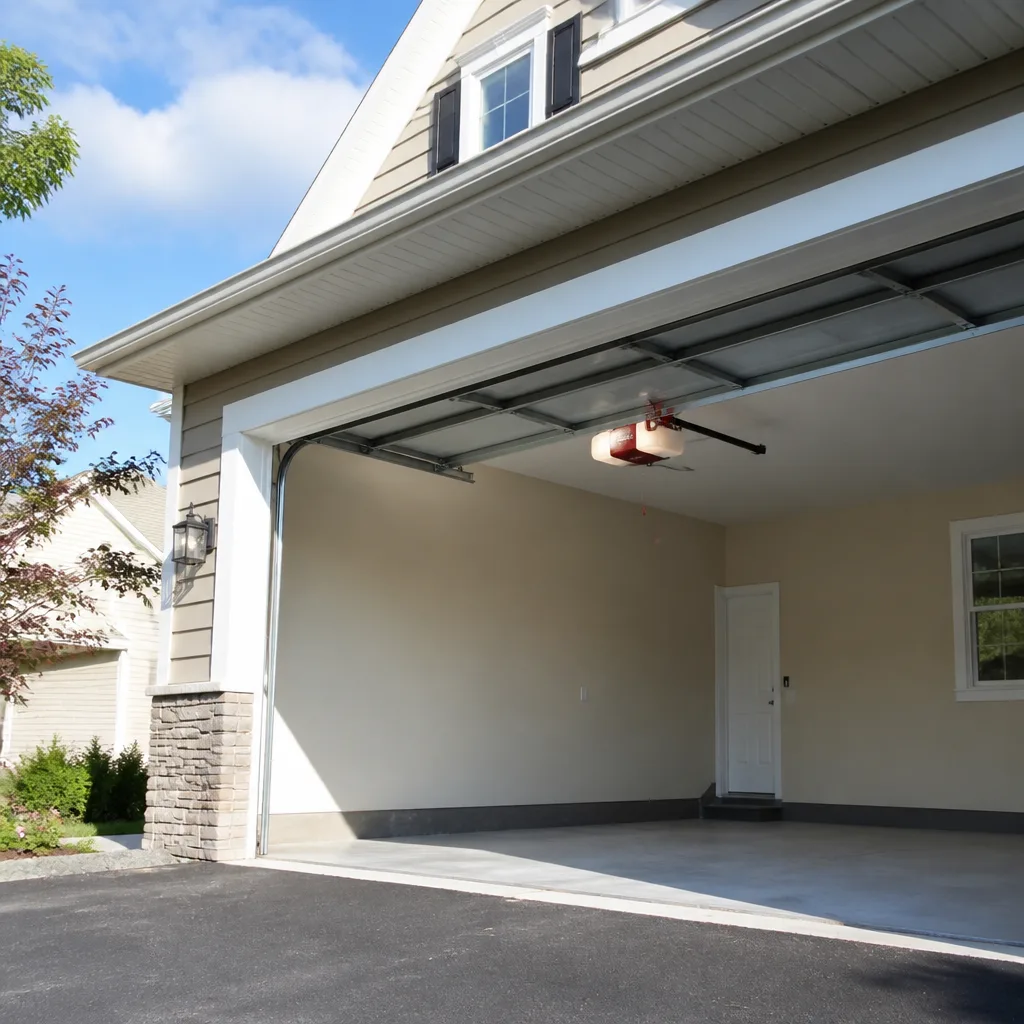 LiftMaster openers
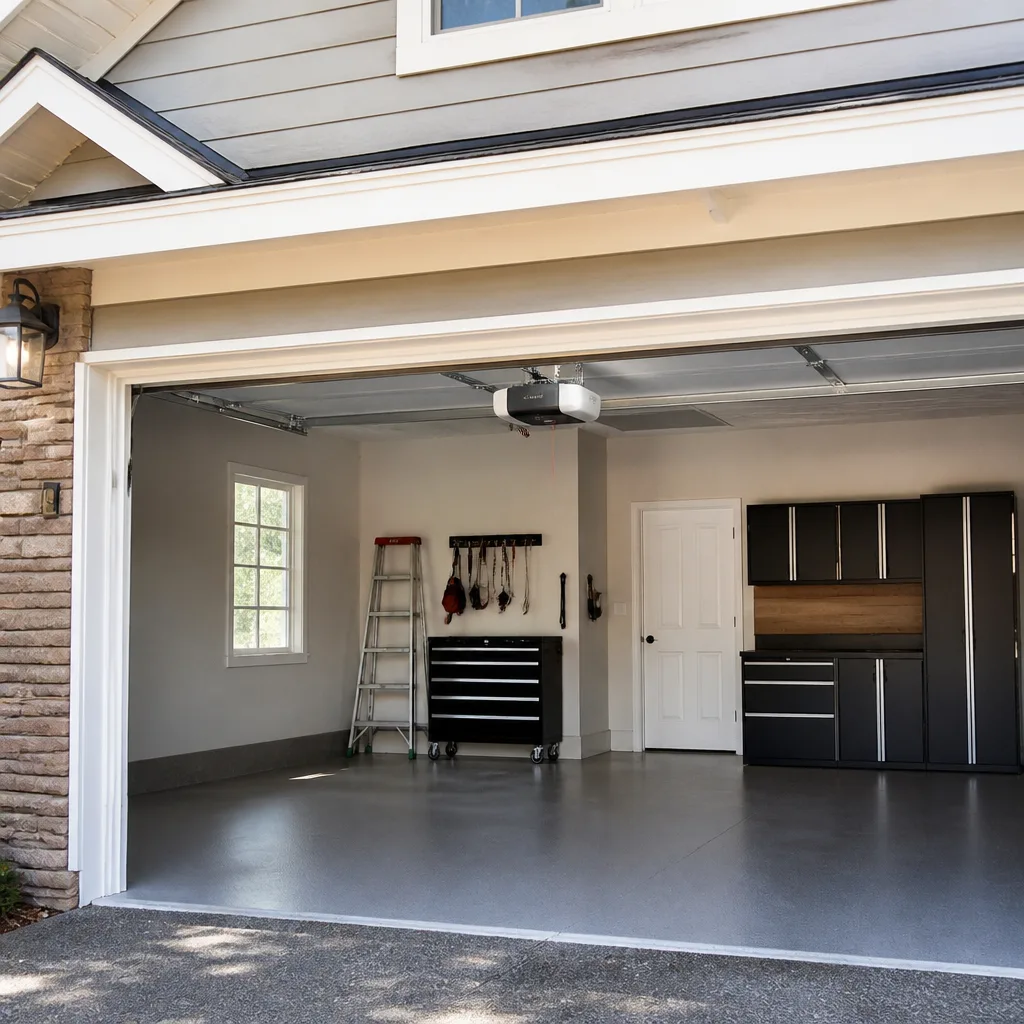 Chamberlain openers
Full 25-point door and opener safety check with every visit - springs, cables, rollers, tracks, and your LiftMaster or Chamberlain opener included
You get a price before we start. It does not change when the pro arrives.
Get your free estimateChoosing the Right Garage Door Brand: A Buyer’s Guide for Bensonhurst
Most buyers in Bensonhurst start shopping by comparing brands on a screen: who has the most stars, the longest warranty, the thickest steel. That’s backwards. The brand that matters is the one whose parts and warranty labor you can actually reach when a torsion spring snaps on a Tuesday and your car is trapped inside. A door is a mechanical system, not a sealed appliance, and every system needs service at some point. So the real question isn’t “which brand is best” in the abstract. It’s which brand gives you parts, technicians and a genuine warranty path here in Brooklyn. This guide walks through steel gauges, insulation, warranty fine print and, most importantly, the local parts ecosystem, so you can choose a door you’ll still be able to fix years from now in Bensonhurst.
Quick Answer
The best garage door brand for a Bensonhurst home is the one with local Brooklyn parts distribution, an independent service network that isn’t tied to a single manufacturer, and hardware that a technician can source without a long wait. Clopay, Amarr and Wayne Dalton models tend to move through the local supply chain well, while a nationally popular brand with thin local service coverage can add two weeks to a routine part replacement. Pick the brand by the parts path first, the door style second.
Styles & brands we work with
- Raised-panel steel
- Carriage house
- Modern flush
- Full-view glass
- LiftMaster openers
- Chamberlain openers
Table of Contents
- Why the Brand Should Follow the Parts, Not the Other Way Around
- Which Brands Have Local Brooklyn Distribution?
- Standardized vs. Proprietary Hardware: Why It Matters at the 7-Year Mark
- Steel Gauge Ratings Explained Honestly
- Insulation and R-Value for a Bensonhurst Attached Garage
- Warranty Terms Decoded
- Door Brand and Opener Brand: They’re Two Separate Decisions
- A Step-by-Step Way to Choose Your Brand
Why the Brand Should Follow the Parts, Not the Other Way Around
Garage doors fail in the parts, not the panels. Panels dent, they almost never fail structurally. What fails is a torsion spring, a roller, a hinge, a cable, a bearing plate, an opener gear or a circuit board. Each of those parts has to come from someone, and how fast that “someone” can get it to Bensonhurst is the single most underrated factor in choosing a brand.
Most homeowners compare brands by looking at national retail sites and review counts. That’s the wrong dataset. A brand can be reviewed millions of times on a big-box site and still have almost no independent service presence in Brooklyn. When the door breaks, the review count doesn’t call you back. A local parts distributor does.
Here’s the practical way to think about it:
- Standard hardware (hinges, rollers, springs, cables) is interchangeable across most brands and easy to source locally, so parts lead times are short no matter which door you buy.
- Proprietary hardware (opener logic boards, specific track profiles, branded torsion assemblies) can only come from the manufacturer, and lead time depends on whether that manufacturer has a service channel in your region.
- Warranty labor lives in the same place as parts. A lifetime warranty on paper means nothing if no technician nearby is set up to file the claim.
In our experience, the brands that hold up best for Bensonhurst homeowners are the ones with a deep independent service channel, not the ones with the biggest ad budget. That often means Clopay, Amarr or Wayne Dalton doors, paired with openers like LiftMaster, Chamberlain or Genie, all of which technicians can work on without waiting on a manufacturer-specific dispatch. When we handle Garage Door Repair Bensonhurst, the brands we can source fastest are the ones tied to that local channel.
Which Brands Have Local Brooklyn Distribution?
Of the major residential brands, Clopay, Amarr, Wayne Dalton and CHI have the widest local abundance through Brooklyn and the broader metro supply chain. That matters because it determines what parts and replacement doors a technician can get you without a special order delay.
Here’s how the practical picture looks for a Bensonhurst home:
- Clopay – one of the most common residential door lines in the boroughs, with widely stocked panels and standard hardware.
- Amarr – well-distributed across the metro, which helps when you need a replacement section rather than a full door order.
- Wayne Dalton – common in attached-garage homes, with hardware and sections generally available through the local channel.
- CHI – a smaller footprint but a solid option where the sizing and the local vendor line up.
By contrast, a hyped national brand with a thin local service presence can add meaningfully to a repair timeline. A worst-case two-week wait on a proprietary circuit board or a branded torsion assembly is a long time if your car is stuck behind the door.
In Bensonhurst the housing stock reinforces this. Most homes here are attached or tightly spaced, many on lots measured in feet rather than yards, and a large share of residents park their only car in the garage. A broken door isn’t an inconvenience you work around; it interrupts the morning. That’s why parts lead time is a local decision, not a national one. Before you buy a specific model, ask which local distributor carries its sections and hardware. We cover a full range of brand repair work through garage door repair, which is where the parts question actually gets answered.
Standardized vs. Proprietary Hardware: Why It Matters at the 7-Year Mark
Most garage door problems in the first five to seven years are serviceable with interchangeable parts: springs, rollers, hinges, cables, bottom seals, opener gears, photo-eyes. Past the six- or seven-year mark, a different class of failure shows up, and that’s when proprietary hardware starts to matter.
Think of it as two categories:
- Standardized hardware – torsion springs, standard hinges, rollers, drums, bearings and cables. These are rated by wire gauge and cycle count, not by brand, so any technician can match them and get them quickly.
- Proprietary hardware – opener logic boards, safety sensors, specific track and bracket profiles, and branded spring assemblies. These typically only come from the manufacturer, and the wait depends on whether that manufacturer is serviced here.
The failure modes that arrive in the later years are, most often: a spiral or torsion spring at the end of its cycle rating, a roller that has flattened and is dragging, an opener circuit board, or a cable that has frayed because it’s been carrying a load it shouldn’t.
At year seven, what you’re really testing is this: is that part available in Brooklyn, from a technician you can reach, without a special order that takes days? A door whose hardware is proprietary and whose brand has no real local service channel is fine until it’s not. A door with standard hardware and a broad local channel is easy to keep alive.
The other thing to keep in mind: springs are the part that matters most, and they’re also the most dangerous. We treat spring replacement as a core specialty because a torsion spring stores enormous energy and can cause serious injury if handled without the right tools and training. Replacing one is not a homeowner job. The good news is that spring measurement and matching is standard, so a well-supported brand doesn’t lock you into an expensive future repair.
Steel Gauge Ratings Explained Honestly
Lower gauge means thicker steel. That’s the whole of it. A 24-gauge door is thicker than a 25-gauge door, and a 26-gauge door is thinner than both. The question is whether that upgrade is worth the cost for how you actually use the door in Bensonhurst.
Steel thickness affects three things: dent resistance, weight, and how the door handles wind load on an exposed wall. It does not affect insulation value, which is a separate layer entirely.
A 25-gauge door is standard for most attached-garage homes, and it handles normal daily use well. A 24-gauge upgrade is worth it when:
- The garage faces a street or a tight drive where a vehicle brushes the door regularly.
- Kids play in the driveway or the garage is used as a workshop where a knocked-over tool can contact a panel.
- You want a heavier feel and less panel deflection under wind, which matters more on a freestanding or end-of-row building.
A 24-gauge upgrade is not worth it when:
- The door sits in a recessed or protected position with no regular vehicle proximity.
- You’re stretching the budget thin, because the upgrade money is better spent on proper installation and quality springs.
A 26-gauge door is the lightest option. It’s commonly found on cheapest-line doors and is easier to dent if a car or a bicycle clips it. For most Bensonhurst driveways, a 25-gauge door installed correctly lasts well. A thicker door with a poor install does not.
Insulation and R-Value for a Bensonhurst Attached Garage
R-value is the number that tells you how well the door resists heat flow. It only pays back when the garage shares a wall or a ceiling with conditioned living space, which is common in Bensonhurst’s attached and semi-attached homes.
Here’s the real question: is the garage used as a workshop or living extension, or is it just a place to park?
Insulation pays back when:
- The garage adjoins the kitchen or a bedroom and a cold winter draft or a summer heat load makes that room uncomfortable.
- You use the garage space daily as a work area or a mudroom.
- The door faces a busy or sun-exposed wall and you want the space to stay more temperate.
Insulation is largely a marketing upsell when:
- The garage is detached or entirely unheated and unconnected to living space.
- You park and leave. A garage that gets opened in the morning and closed in the evening doesn’t gain much from an insulated shell.
Be wary of “this door has the highest R-value” as a sales line. R-value is a per-door spec, but its real-world benefit depends on perimeter seals, bottom weatherstripping and how well the door sits in the opening. A high-R-value door with poor seals is noisy and leaky in the wind. A moderate-R-value door installed snugly holds more warmth. The number matters less than the fit.
Warranty Terms Decoded
Garage door warranties are usually divided into five parts, each with its own duration: sections, hardware, springs, labor and (on openers) electronics. “Lifetime” almost never means the whole thing.
Read the warranty in this order:
- What’s covered. Sections are commonly covered for the longest period. Springs are often covered for a shorter window or a rated cycle count. Hardware is often a limited multi-year term.
- What voids it. Improper installation, added or modified hardware, incorrect spring matching, and using a non-authorized technician are typical exclusions. This is where the local service channel matters.
- Who pays labor. This is the most-stumbled-on clause. A lifetime section warranty does not pay for the technician to disassemble and replace the section. That labor is almost always the customer’s cost unless a specific labor warranty applies.
- Cycle counts on springs. Springs are rated by how many open/close cycles they’re designed to survive. A “warranty” that’s really just a cycle rating is honest, but only if it’s stated clearly.
- How to file. A warranty that requires a manufacturer-specific dispatch adds time. A warranty honored through local, brand-familiar technicians is easier to use.
For Bensonhurst buyers, the practical takeaway is this: pick a brand whose warranty language a local technician can actually honor. Call the number in the warranty before you buy and ask how a claim is filed. If the answer involves wait times you can’t accept, keep shopping. Matching the label on the door to a service channel that reaches Bensonhurst matters more than the words “lifetime limited.”
Door Brand and Opener Brand: They’re Two Separate Decisions
A door and an opener are two machines that work together, and the brand question applies to each separately. You can (and often should) buy them from two different manufacturers.
On the door side, brand choice is mostly about parts sourcing, steel, insulation and warranty, as above. Clopay, Amarr and Wayne Dalton are widely installed and well-supported in the metro here.
On the opener side, the brand names that dominate: LiftMaster, Chamberlain and Genie. These three share a common design language, so parts like remotes, safety sensors, gear kits and batteries are easy to source. That familiarity shortens diagnosis. A technician who recognizes a LiftMaster error code pattern or a Chamberlain logic board behavior doesn’t have to experiment on your opener.
That’s why we cover both under one call. A stuck door can be an opener problem, not a door problem, and vice versa. If you need help diagnosing the motor end of the system, garage door opener repair covers the brands most commonly installed here. And if the whole system is at the end of its life, garage door installation speaks to the door ordering and measuring side. One set of technicians calling the shots is far simpler than coordinating two companies and splitting the blame when something goes wrong.
The most common opener mistakes we see are mismatches, not brand failures: an opener sized for a lighter door, or a WiFi opener installed on a door with a worn roller track that triggers false obstruction reversal. The brand of the motor matters less than the fit between it and the door.
A Step-by-Step Way to Choose Your Brand
Run through this in order. Each step narrows the field before the next one, which saves time and money.
- Measure the opening. Note the width, height, headroom above the door, and whether the door sits on a low or high spring system. A contractor will confirm this, but having the numbers prevents a wrong-size order.
- Check the local parts channel. Ask which major brands have stocked panels and hardware in Brooklyn. Clopay, Amarr and Wayne Dalton are safe bets for most Bensonhurst homes.
- Decide on the steel and insulation spec. A 25-gauge non-insulated door is fine for protected, car-only garages. A 24-gauge insulated door is worth considering when the garage adjoins living space or faces regular wind and vehicle traffic.
- Match the opener brand to your door. A LiftMaster, Chamberlain or Genie unit paired with proper springs and rollers is a reliable combination. Avoid mismatched sizing.
- Read the warranty four ways. Sections, hardware, springs, labor. Ask how a claim is filed and how long resolution takes locally.
- Get a written measure and price before ordering. Installation and replacement are scheduled work, so a free measure and written estimate come first.
- Plan for service, not just the sale. Confirm that the same technicians who install can handle a spring repair, an opener fault or an emergency call to Bensonhurst later.
You’ll notice step two is the one most buyers skip. That’s a mistake. Parts availability is a boring thing to ask about and the most expensive thing to ignore.
Common Mistakes to Avoid
- Buying by review count. A brand with millions of national reviews can have almost no independent service presence in Brooklyn. Check the local parts channel first, then the reviews.
- Treating “lifetime warranty” as all-inclusive. Lifetime often covers sections only, and labor is almost always excluded. Read the labor clause before you sign.
- Upgrading to 24-gauge without a reason. If the door is recessed and protected, the thicker steel doesn’t buy much. If it faces traffic, it does.
- Paying for high R-value on an unheated detached garage. Insulation payback depends on whether the garage shares heat with the house. Don’t let R-value be the sales closer.
- Mismatching opener and door. An opener sized for a lighter door will strain a heavier one. Match the motor to the actual weight and size.
- Buying the door and opener from two companies. When something fails, coordination becomes someone else’s problem. One technician familiar with both ends is cleaner.
- Skipping the local service check. In a tight Bensonhurst block where the drive is the morning commute, a two-week wait on a proprietary part is a genuine problem. Confirm service coverage for your brand before you buy.
See the difference
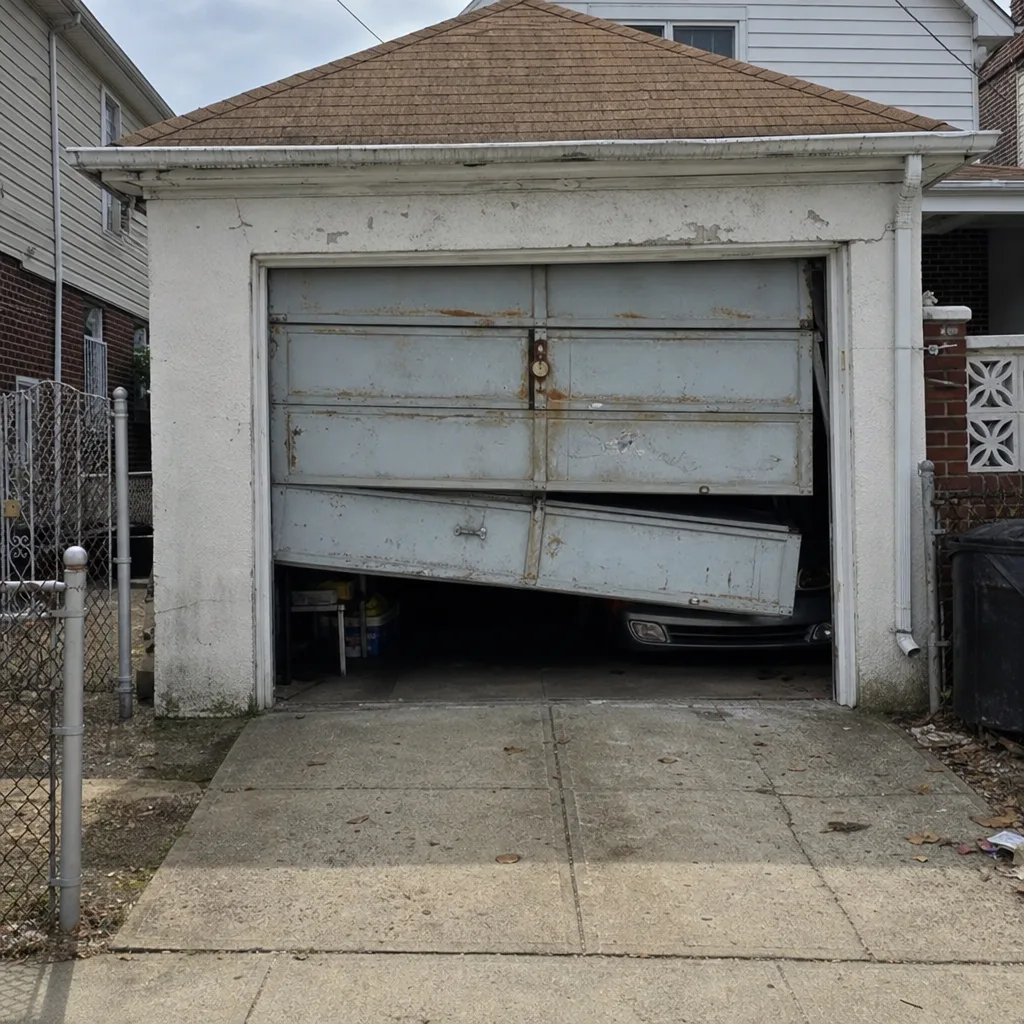 Before
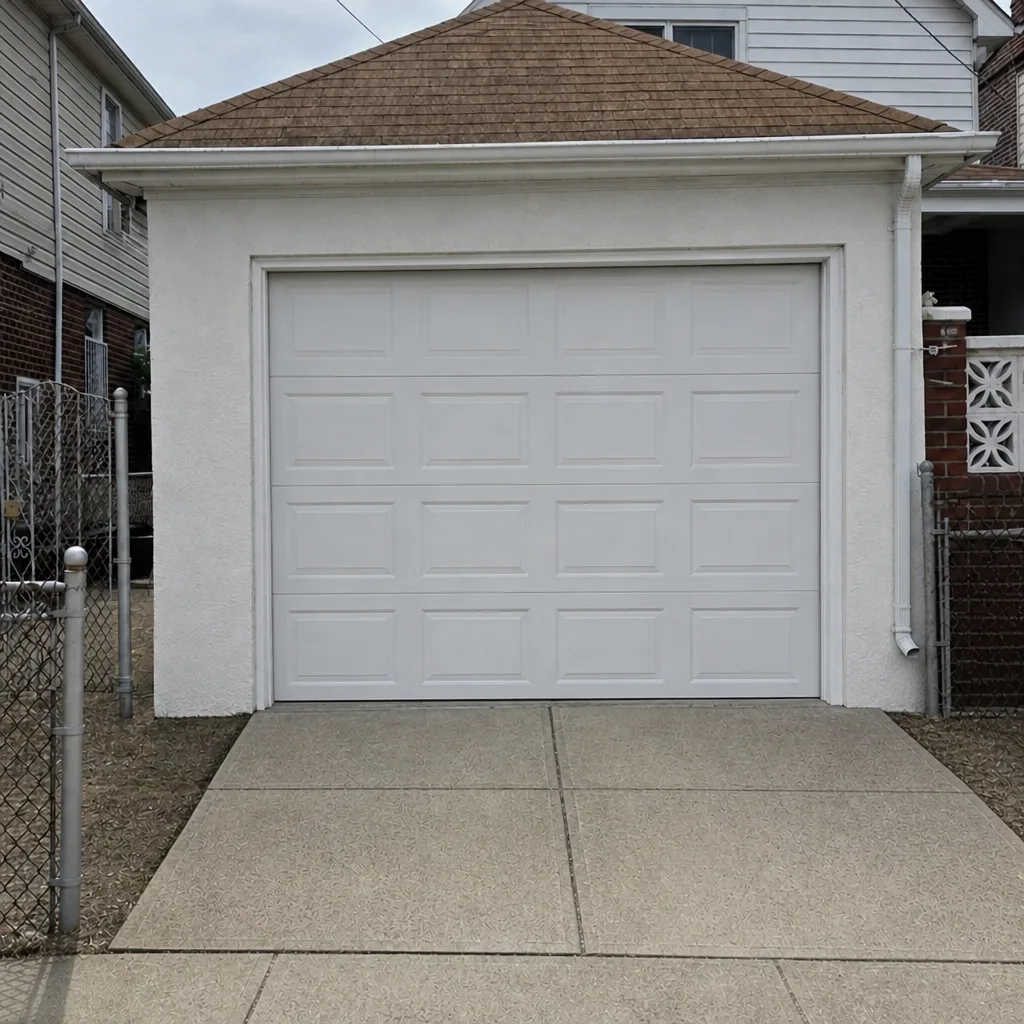 After
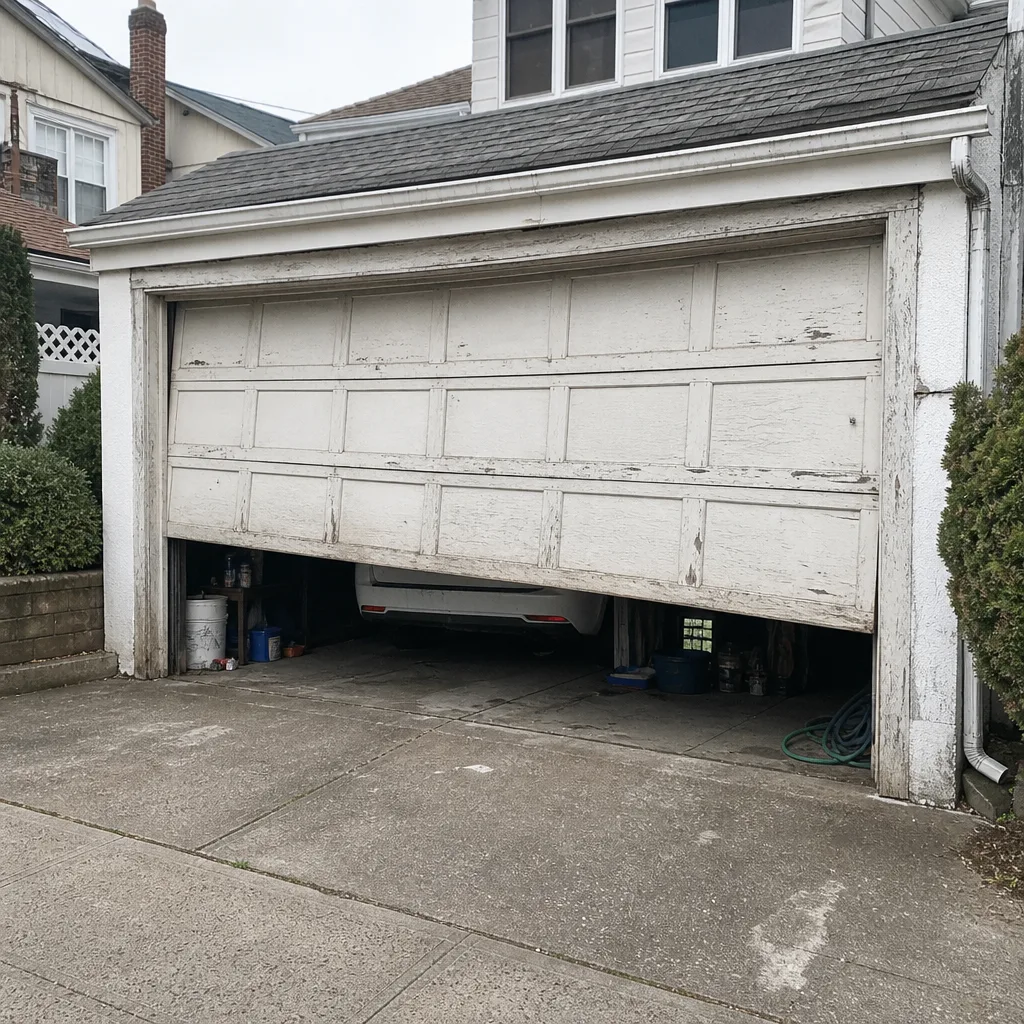 Before
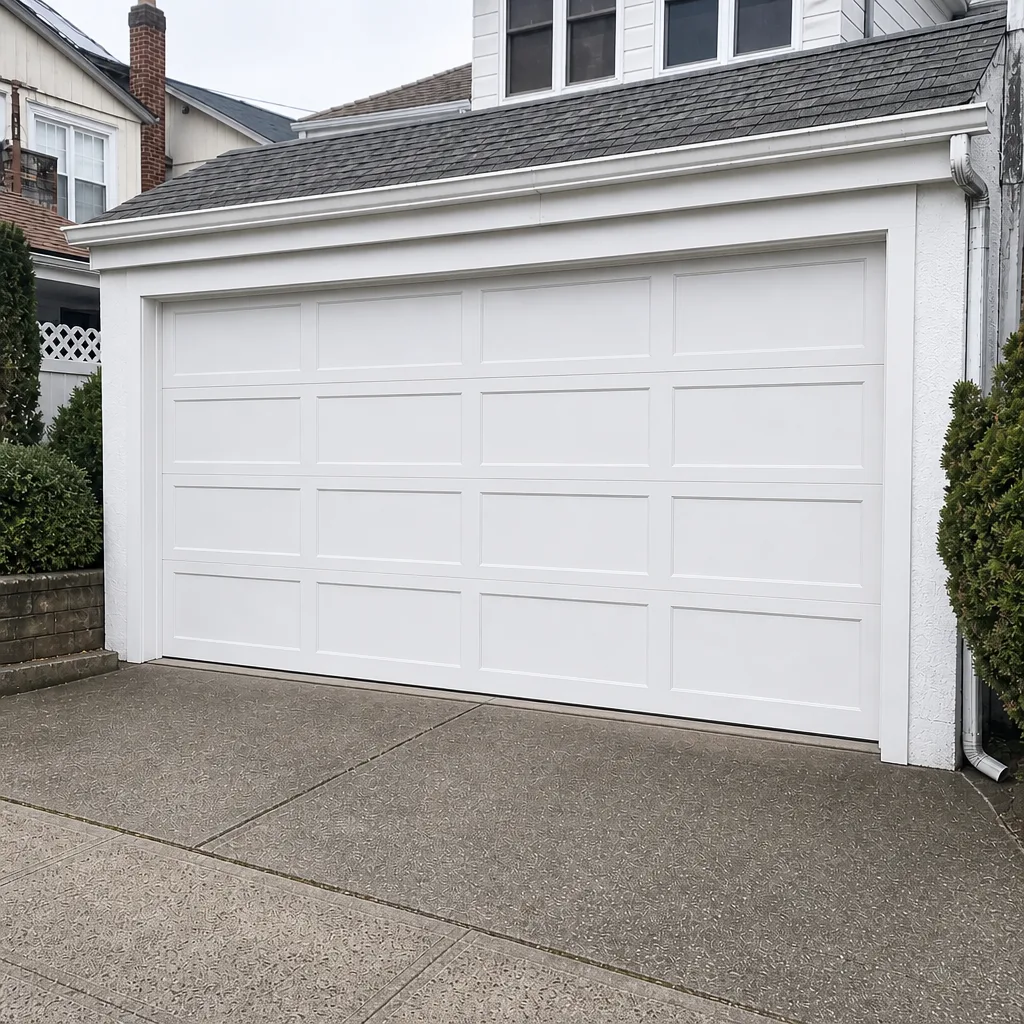 After
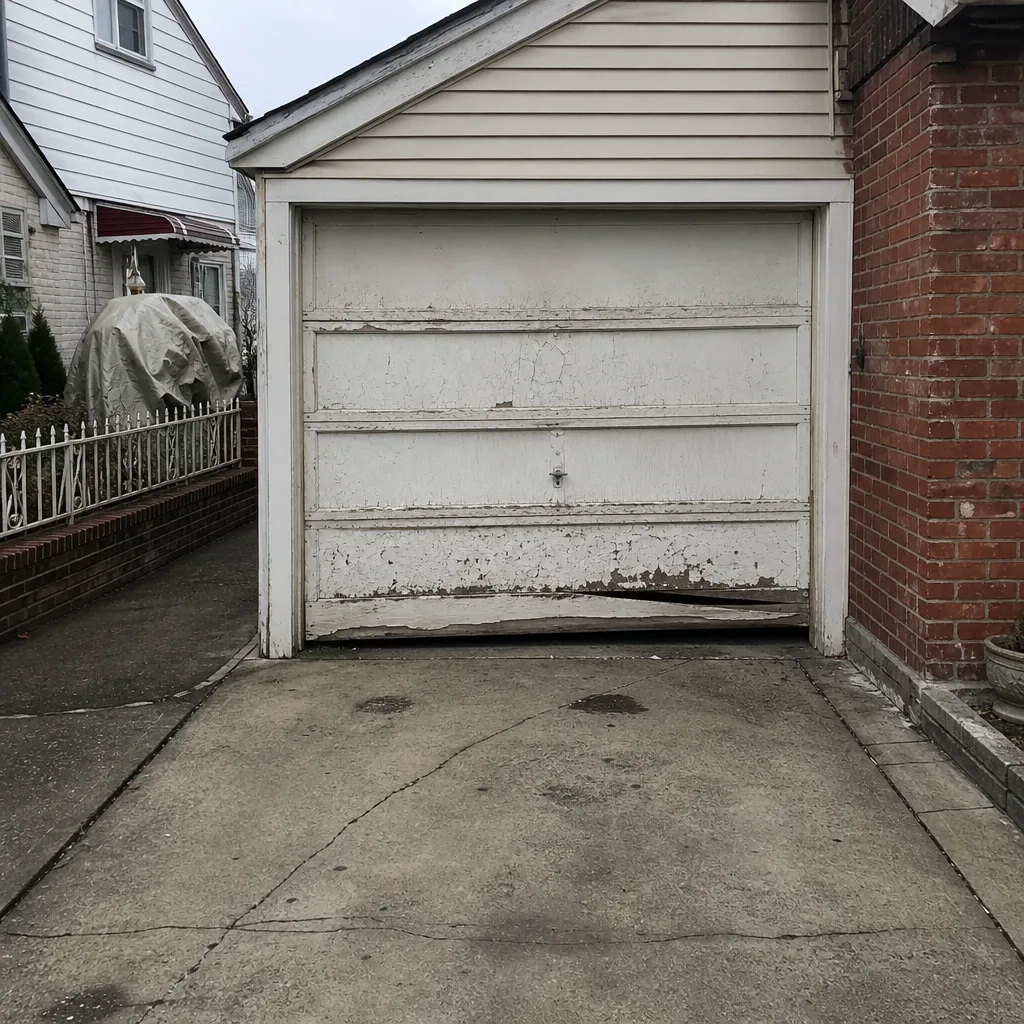 Before
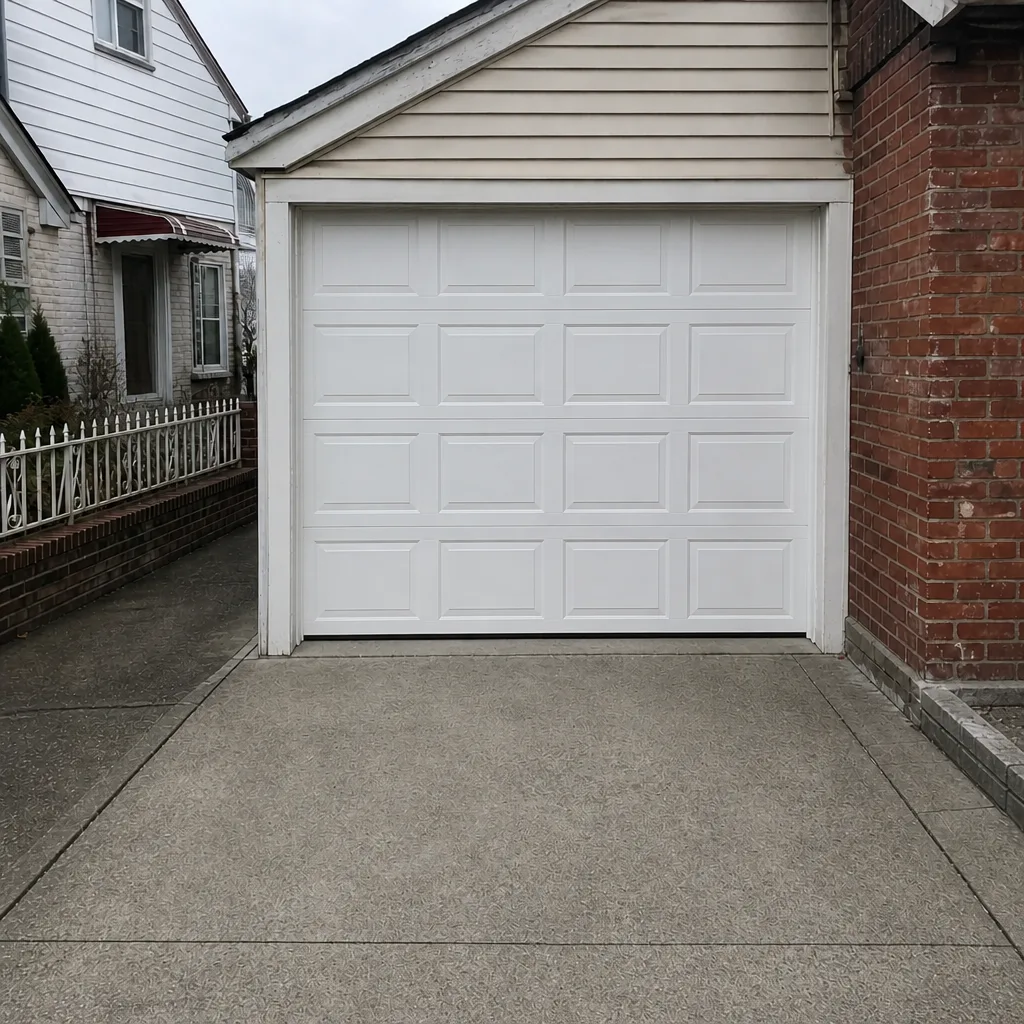 After
When to Call a Professional
Some brand questions can be answered on paper. Others need a trained eye on the actual door. Call a professional when the opener reverses or stops partway with no obvious cause, when the door feels heavier than it used to, when a cable has frayed or a spring has broken, or when a panel has been dented and you need to know whether it can be replaced with a matching section. Also call when you don’t yet have a door and need to choose a brand, because measuring the opening correctly and confirming parts availability are the first steps every time. Spring failure is genuinely dangerous, so treat a broken or loose torsion spring as a call-now situation, not a weekend project. Garage Door Repair Bensonhurst offers free estimates in Bensonhurst. Call (833) 508-9946.
Frequently Asked Questions
The best brand is the one with local Brooklyn parts distribution and service coverage, which for most Bensonhurst homes means Clopay, Amarr or Wayne Dalton doors. A nationally popular brand with thin local service coverage is a worse choice than a well-supported local line, because parts and warranty labor are what you’ll need at the seven-year mark. Call (833) 508-9946 for a free estimate and a brand-specific recommendation.
New door pricing in Bensonhurst depends on size, steel gauge, insulation and whether the opener and hardware are included, and we quote per job after a free measure rather than off a chart. A written estimate sets the final price, and installation is scheduled work, not a same-day repair. Call (833) 508-9946 for an exact quote; estimates are free.
A lifetime garage door warranty typically covers the door sections for as long as you own the door, but it rarely covers hardware, springs or installation labor. Springs are usually covered on a shorter term or a cycle count, and labor is almost always the homeowner’s cost. Read the warranty in four parts: sections, hardware, springs, labor.
A 24-gauge upgrade is worth it when the door faces regular vehicle proximity, a street, or wind exposure; it’s not worth it on a protected or recessed garage where the door isn’t likely to be hit. It does not change insulation value – that’s a separate layer. A well-installed 25-gauge door usually holds up fine for a normal Bensonhurst driveway.
Insulation pays back when the garage shares a wall or ceiling with conditioned living space or when you use the garage as a daily work area. For a detached or car-only garage, the R-value upgrade rarely earns its cost. The fit of the door in the opening and the quality of the seals matter more than the R-value printed on the spec sheet.
Yes. We work on the eight major brands we’re factory-familiar with, so a Clopay door with a LiftMaster opener – or any other combination – is one call, not two. That means one diagnosis covers both ends of the system. Call (833) 508-9946 to book a free estimate on whichever part is failing.
Proprietary parts – logic boards, specific track profiles, branded spring assemblies – come from the manufacturer, so lead time depends on their local service channel. Standard hardware is interchangeable and quick, and that’s the class of failure that comes up most often in the first seven years. We identify the part class and give you a realistic timeline before any work is scheduled.
The Bottom Line
The right garage door brand for Bensonhurst is decided by the parts path, not the star rating. Choose a door with standard, locally available hardware – Clopay, Amarr and Wayne Dalton lines are well-supported in the metro – and pair it with a widely serviced opener from LiftMaster, Chamberlain or Genie. Read the warranty in four separate parts, match steel gauge and insulation to how you actually use the garage, and confirm local service coverage before you order. A premium brand you can’t get parts for in Brooklyn costs you weeks when the door breaks. Call (833) 508-9946 for a free estimate and a brand recommendation built around the local service channel.
Written by the team at Garage Door Repair Bensonhurst.